
Last updated September 22, 2026
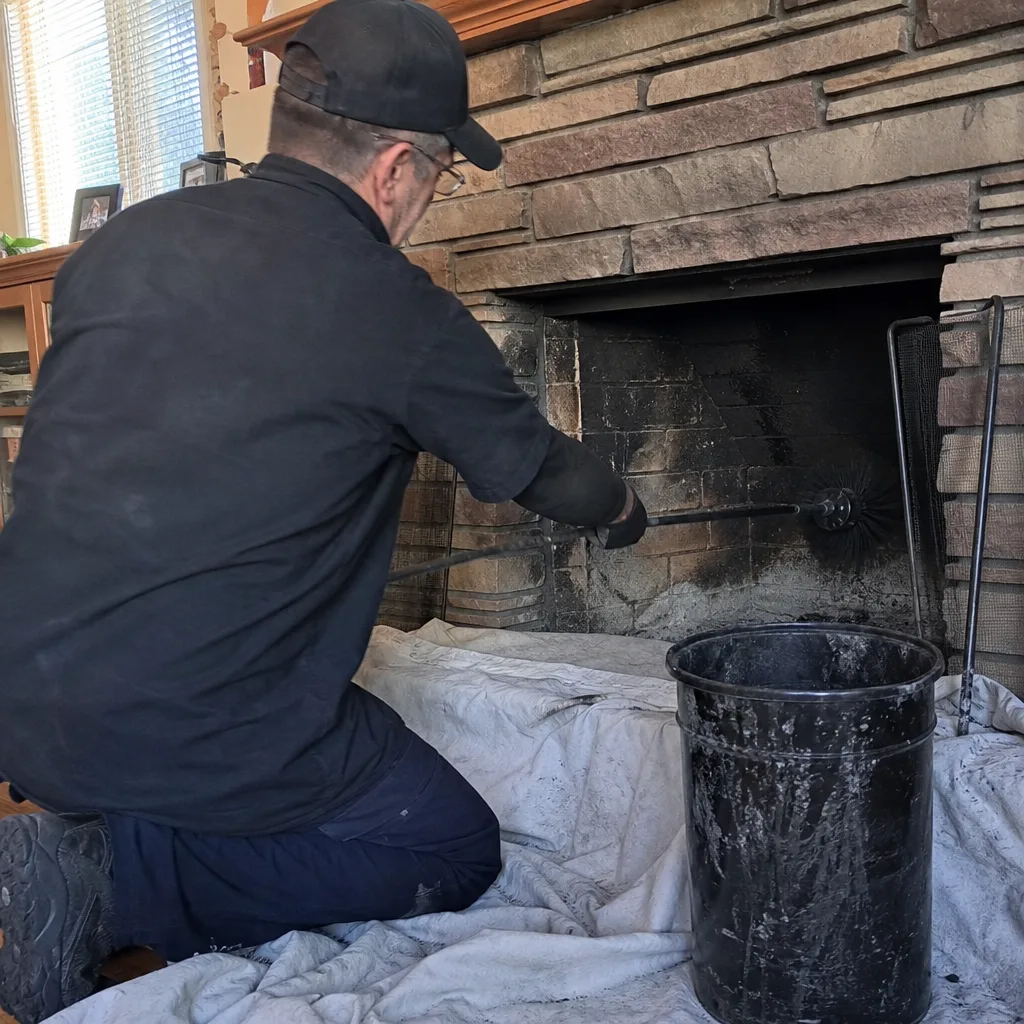
Level 1 sweep and inspection to the NFPA 211 annual standard - flue, crown, cap, and flashing checked and photographed
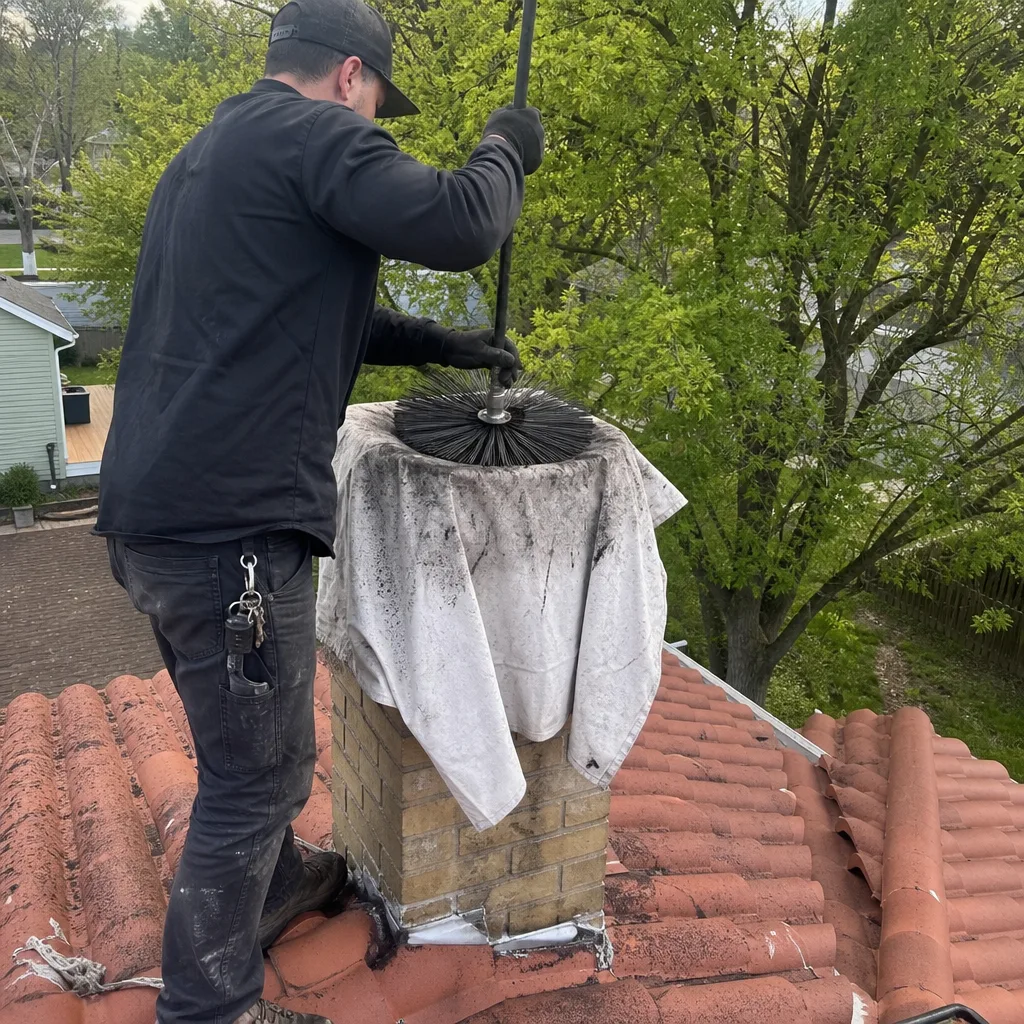
Chimney sweep logs do not sweep chimneys. They loosen some creosote - which then falls where a brush and vacuum still have to collect it.
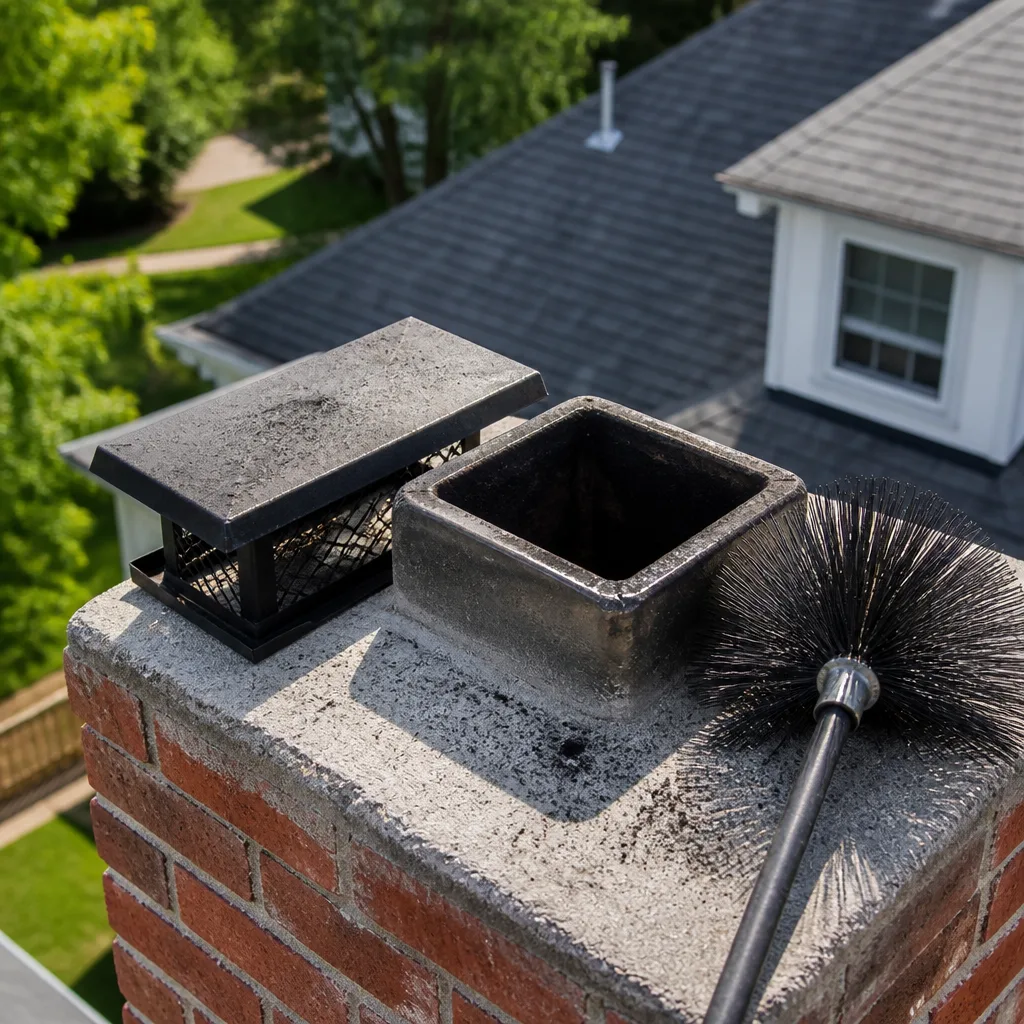

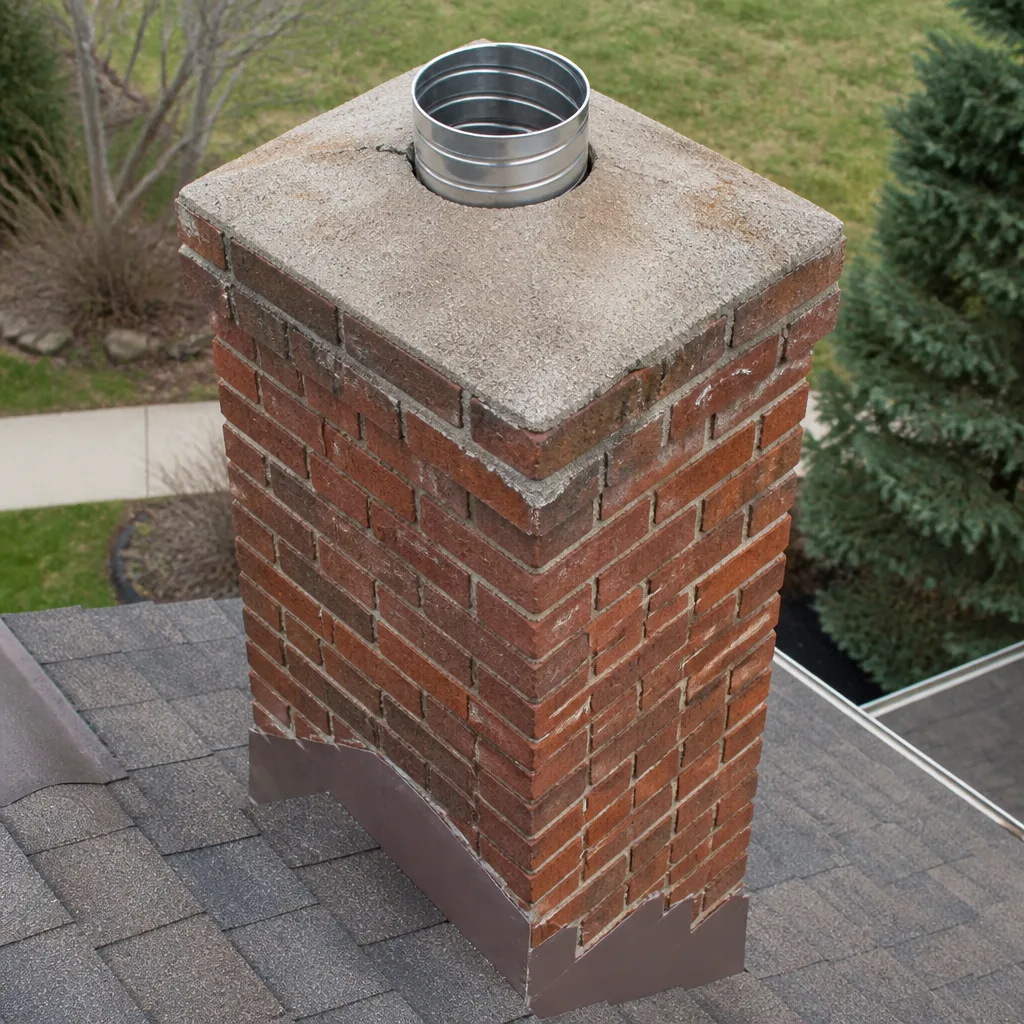
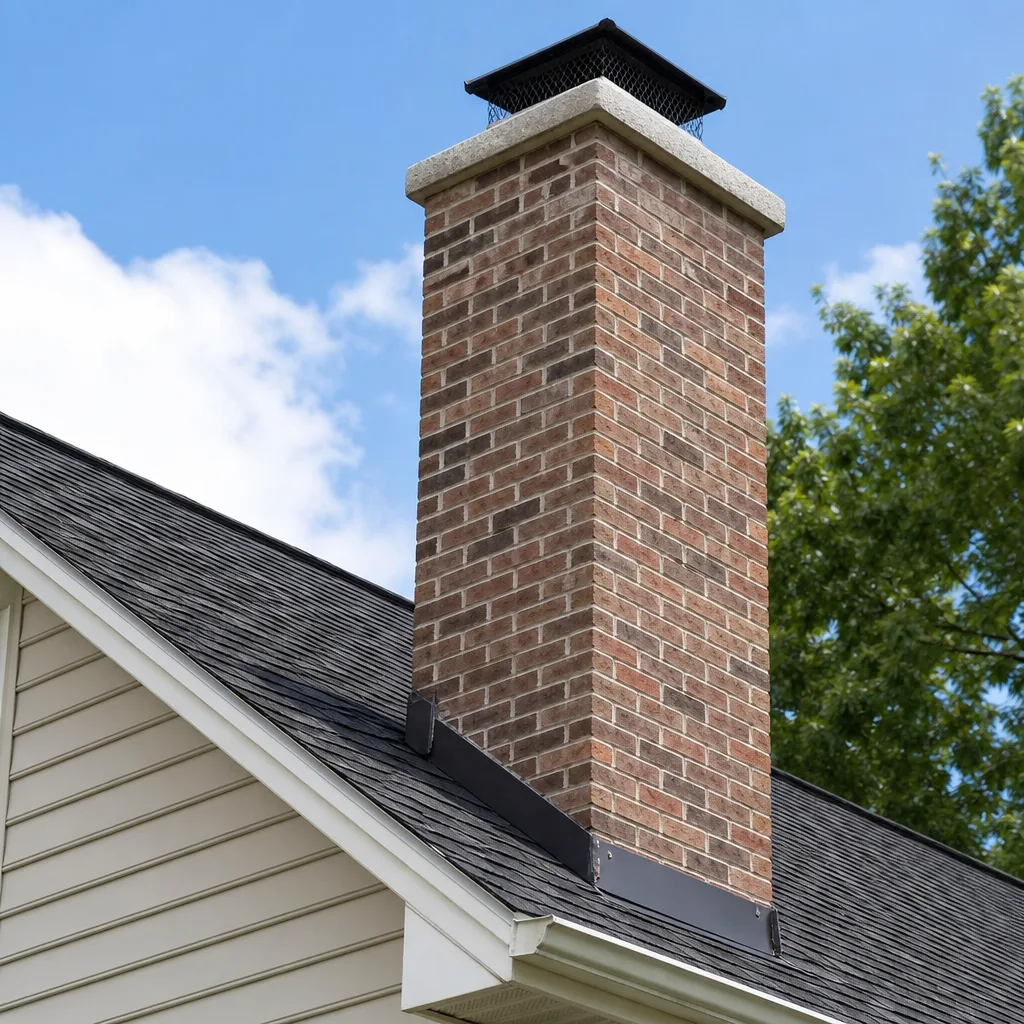
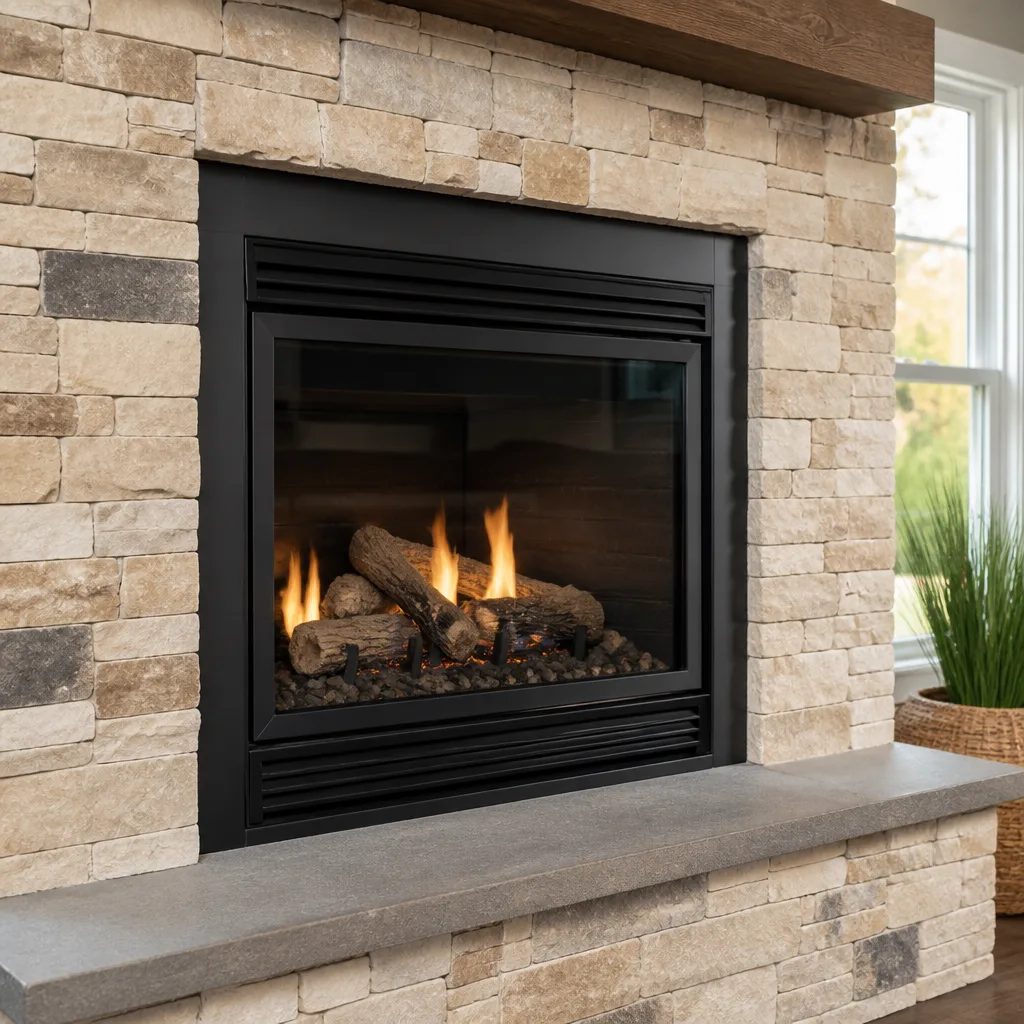
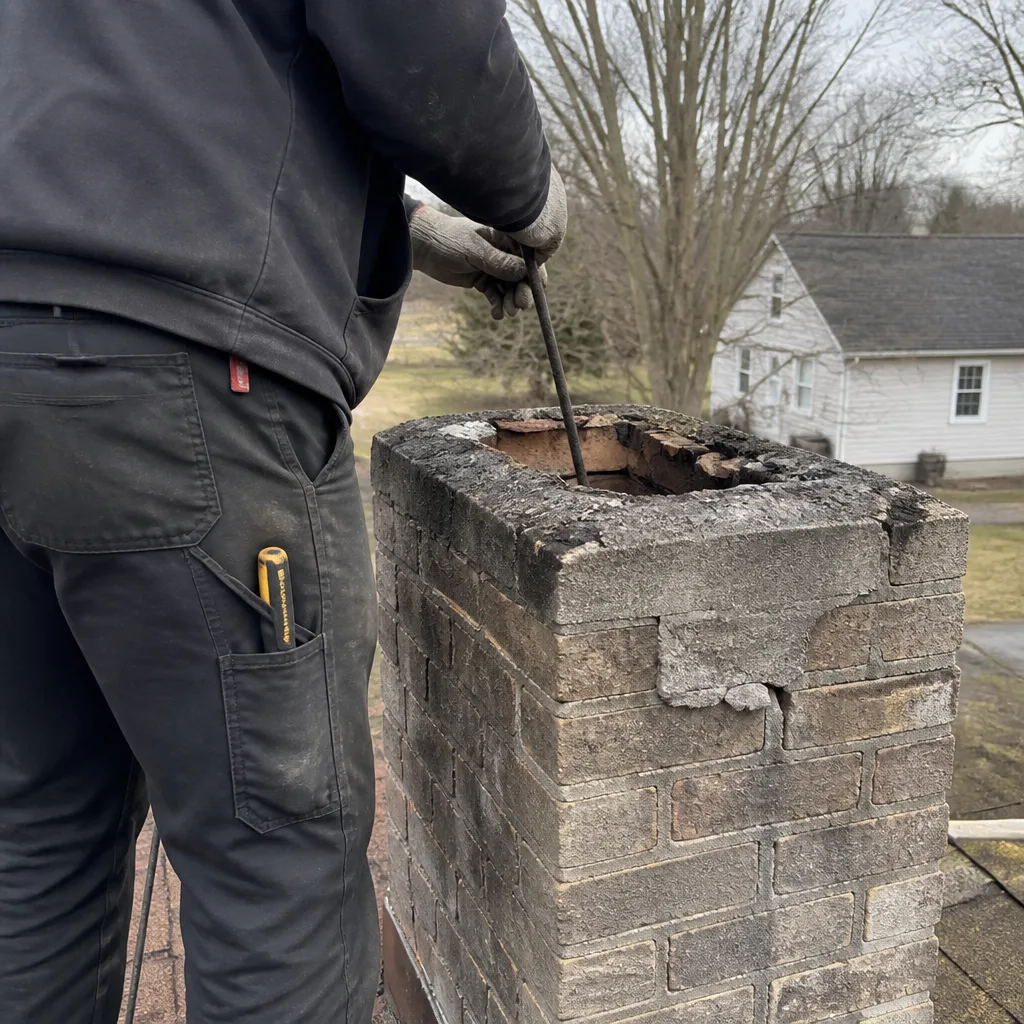 Before
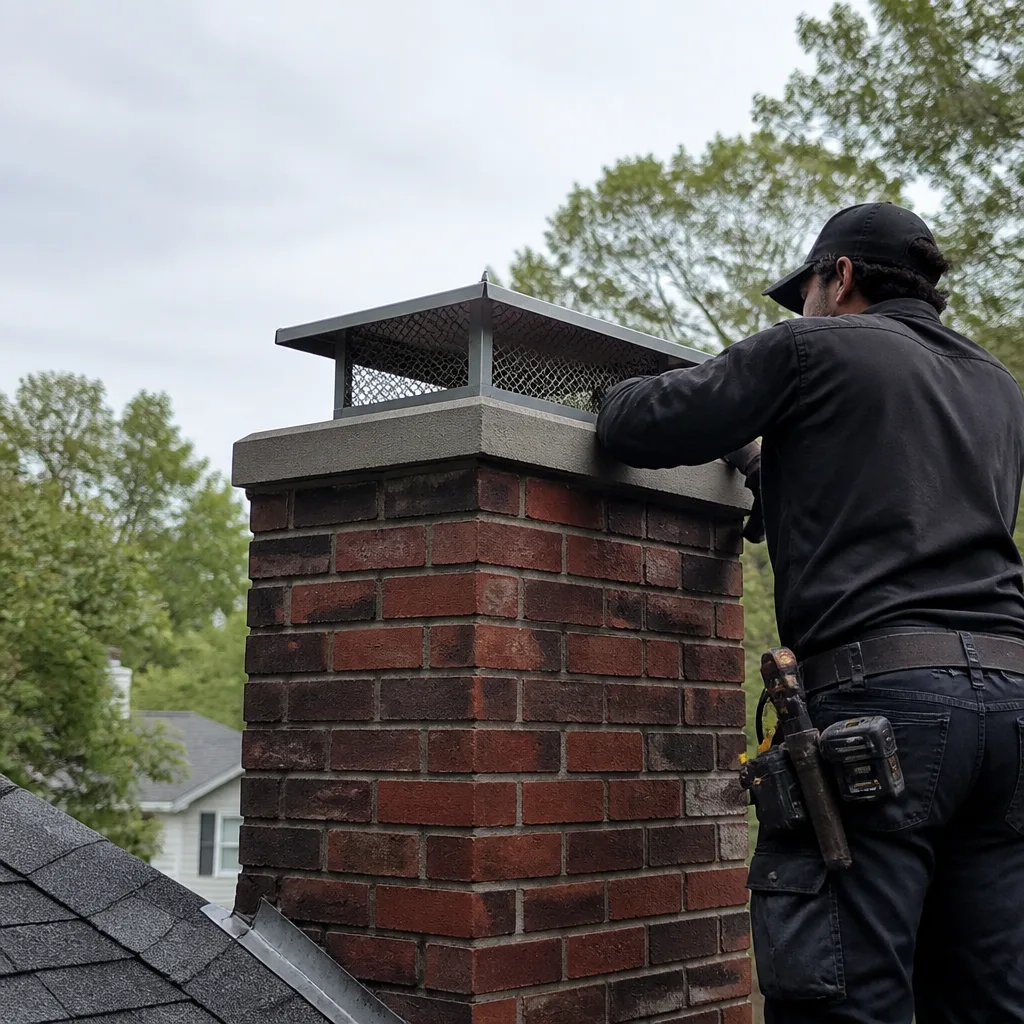 After
After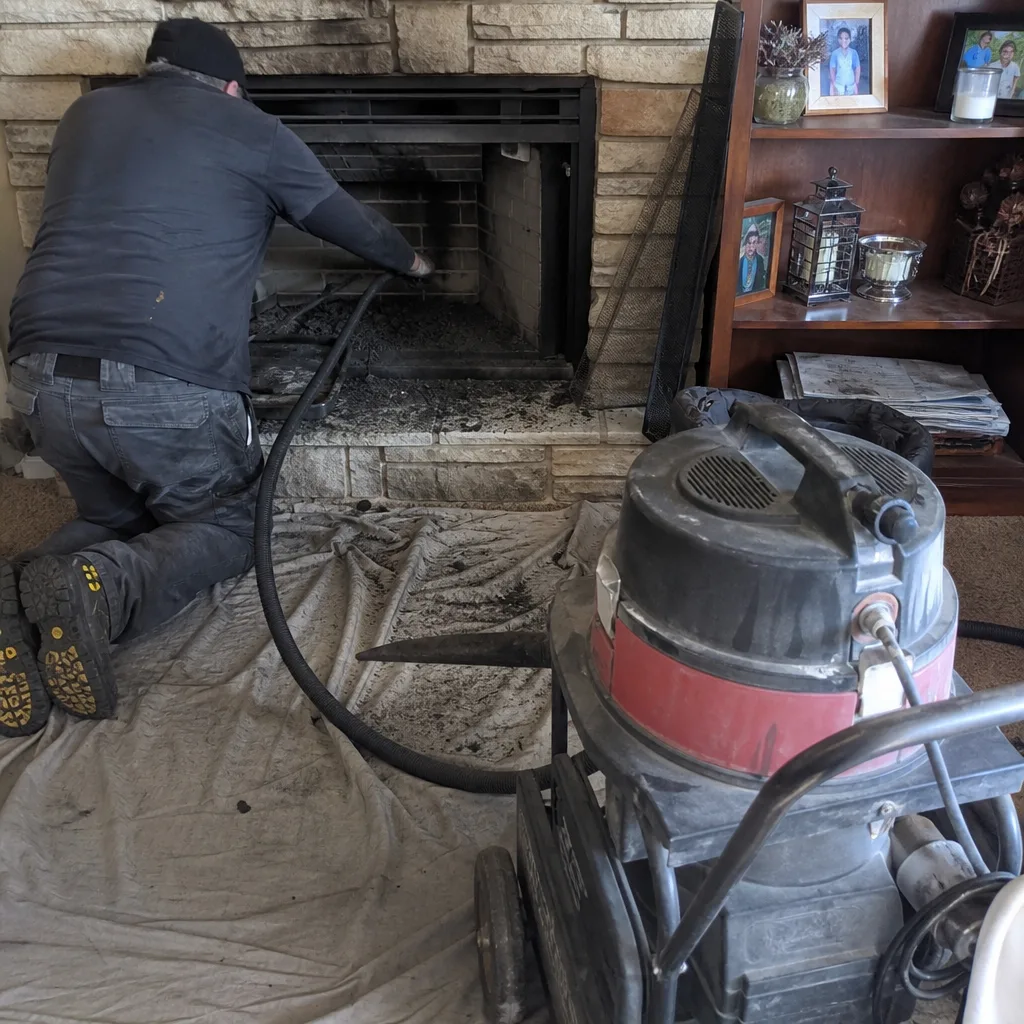 Before
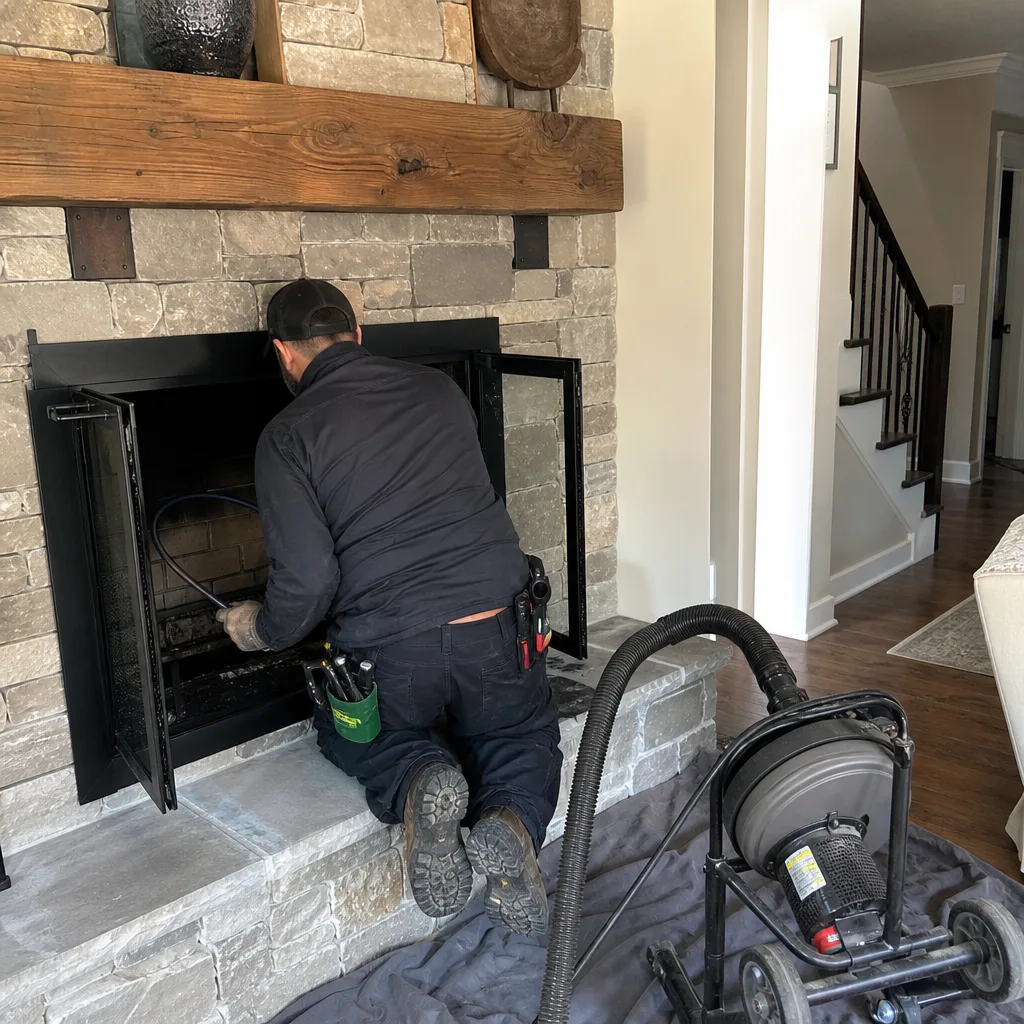 After
After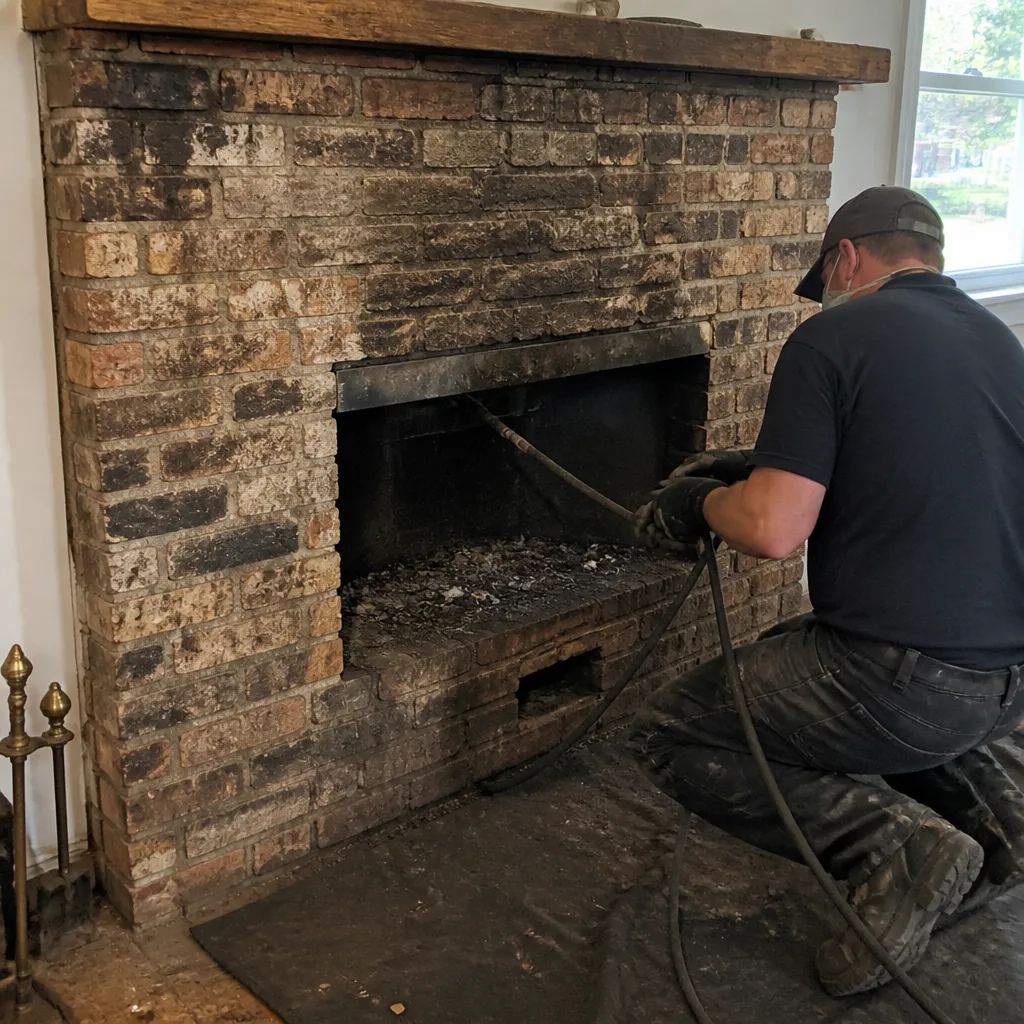 Before
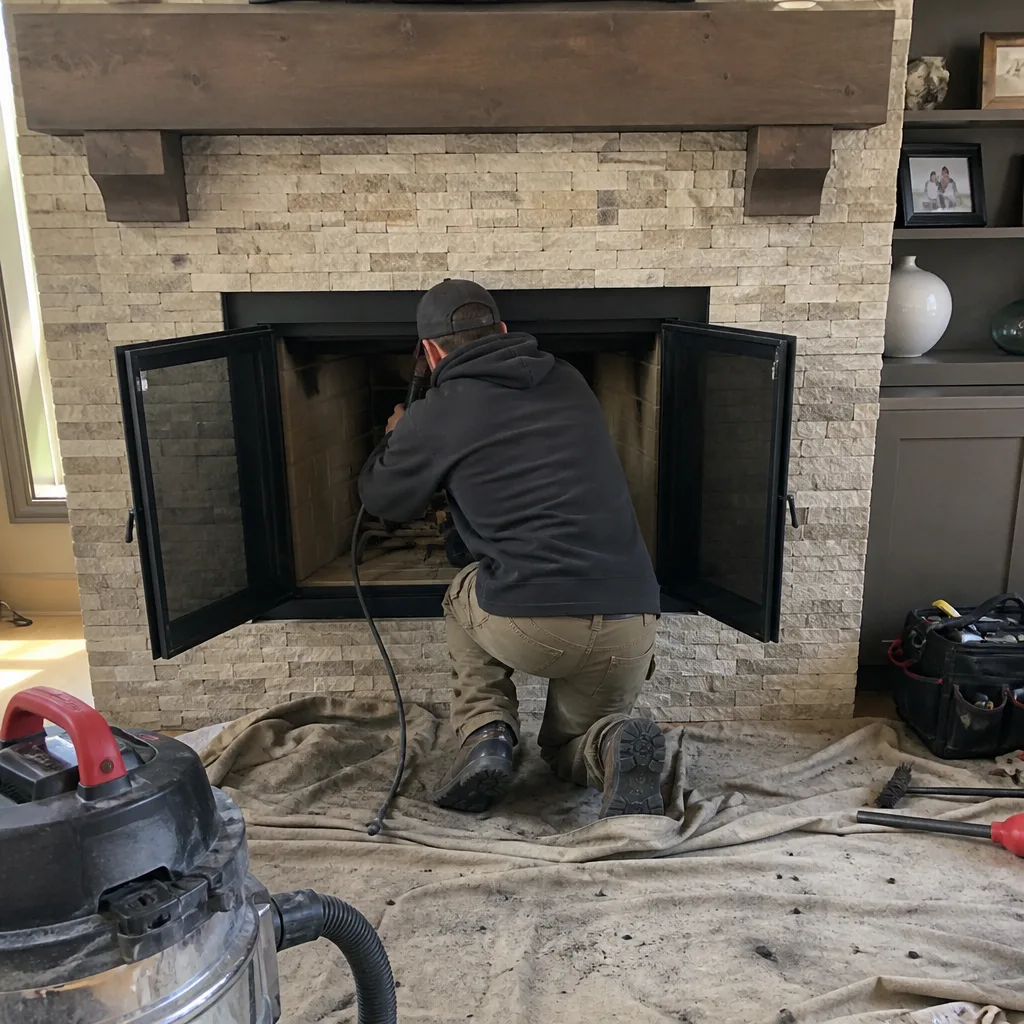 After
AfterChimney Cleaning Permits, Codes & Inspections in IL: What You Need to Know
Illinois homeowners lose escrow deals every year because a chimney relining job done without a permit surfaces on a pre-sale Level 2 inspection. The camera doesn’t lie, and a permit office can date work by its absence. In Crystal Lake and across McHenry County, the gap between routine chimney cleaning and regulated repair is where most homeowners get caught off guard. This guide draws that line precisely: what requires a permit, what doesn’t, who bears liability when codes are violated, and how to protect your property value before a sale or insurance claim forces the issue. For related reading, see our Complete Guide to Chimney Cleaning in Crystal Lake.
Quick Answer
Chimney cleaning and sweeping do not require a permit in Illinois. However, liner repair, liner replacement, crown rebuilds, and structural modifications triggered by what a cleaning reveals almost always do require permits under locally adopted building codes. In Crystal Lake, McHenry County, and most Illinois municipalities, the homeowner remains liable for unpermitted work even if a contractor performed it. See our Chimney Cleaning & Sweep Maintenance Checklist for Crystal Lake Homeowners for steps to verify your sweep’s compliance practices.
Table of Contents
- Where Cleaning Ends and Regulated Repair Begins
- Illinois Building Code and NFPA 211 Adoption
- Crystal Lake and McHenry County Permit Requirements
- How a Cleaning Appointment Becomes a Code-Compliance Event
- What ‘Grandfathered’ Means and When It Evaporates
- How to Verify Past Permits and What to Do When Records Are Missing
- Permit Costs and Inspection Fees in the Crystal Lake Market
- Common Mistakes to Avoid
- When to Call a Professional
- Frequently Asked Questions
BeforeAfterWhere Cleaning Ends and Regulated Repair Begins
The distinction matters because one activity is unregulated and the other can void your homeowner’s insurance. Routine chimney cleaning - removing creosote, debris, and obstructions from the flue, smoke chamber, and firebox - falls under maintenance. Learn to recognize when cleaning reveals problems in our Chimney Cleaning Warning Signs: A Crystal Lake Homeowner’s Reference Guide. No Illinois municipality requires a permit for maintenance.
Repair begins when material is added, removed, or structurally altered. Specific triggers include:
- Liner installation or replacement: Whether stainless steel, aluminum, or cast-in-place, a new flue liner changes the engineered path for combustion gases. This requires permit review in every Illinois jurisdiction we’ve worked in since 2009.
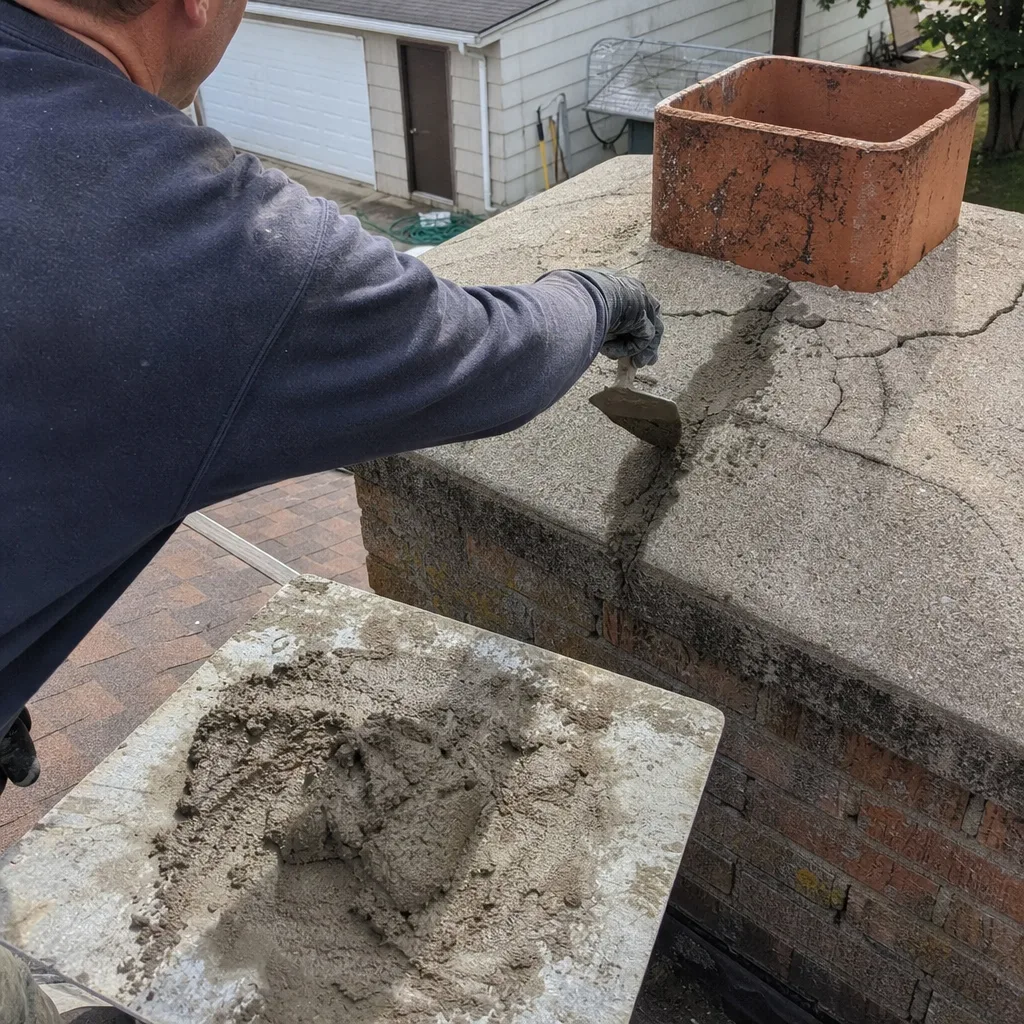
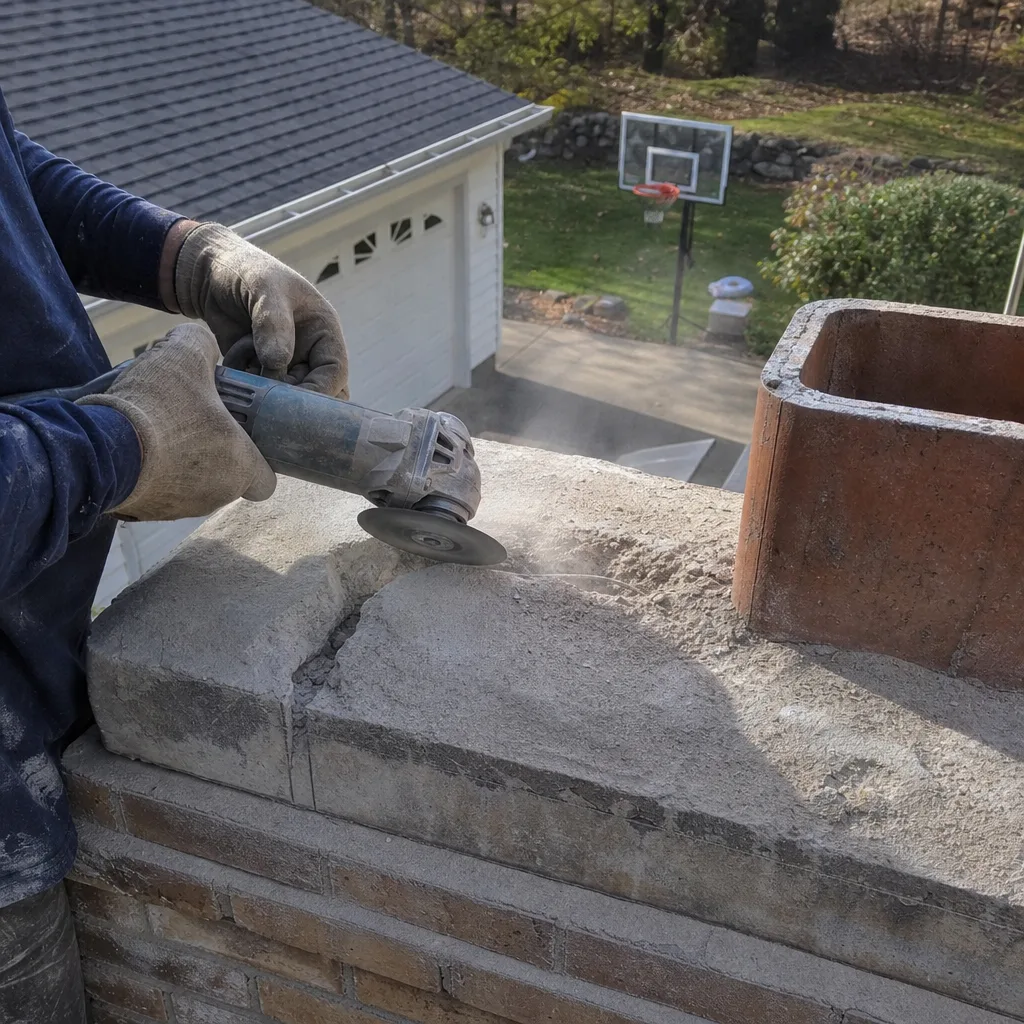
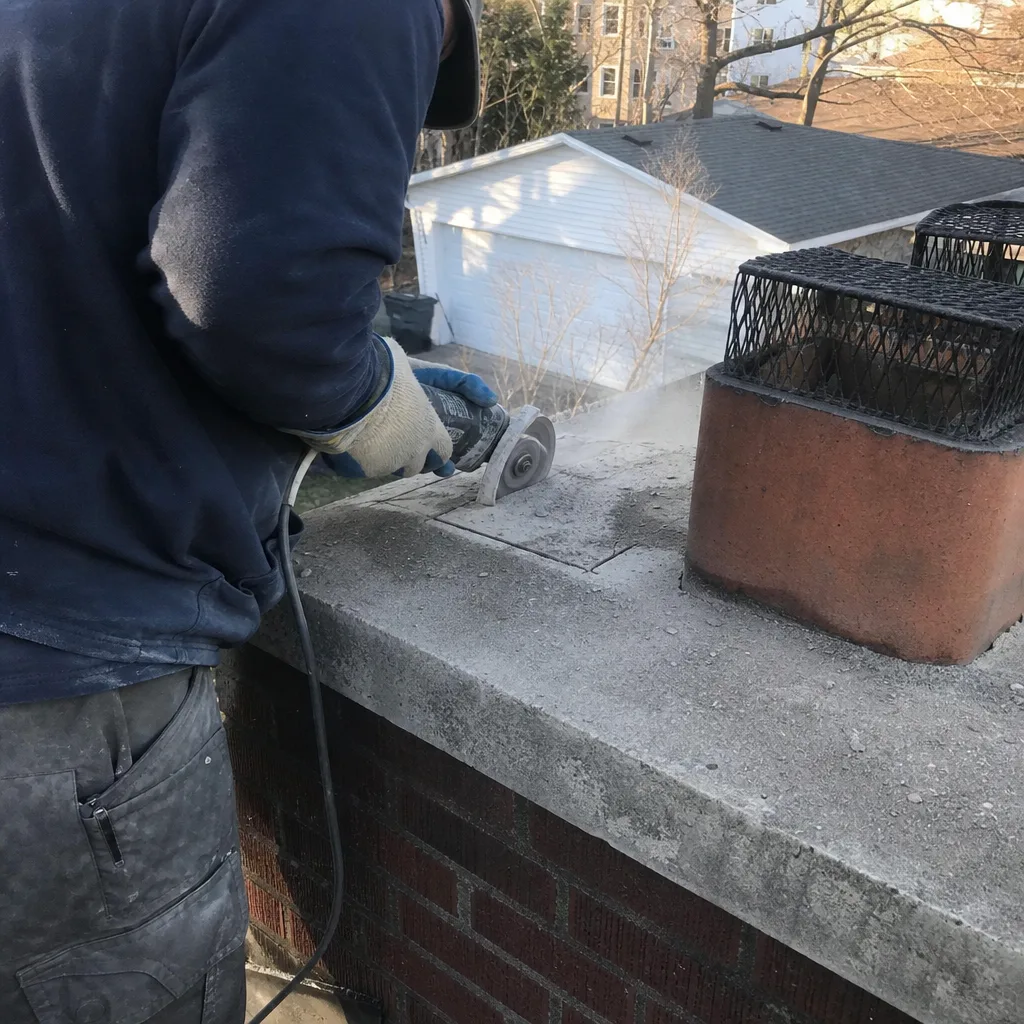
- Crown reconstruction: Pouring new concrete or installing pre-formed crown elements above the roofline modifies weather protection and requires inspection.
- Smoke chamber parging: Applying HeatShield or similar refractory materials to the smoke chamber changes fire dynamics and falls under mechanical code in McHenry County.
- Chimney height modification: Any change to termination height, including adding or removing courses of brick, triggers code review for draft and clearance requirements.
- Damper replacement (in some jurisdictions): Crystal Lake requires permits for throat damper replacements that involve structural modification; top-sealing dampers typically do not.
We’ve documented this boundary repeatedly in Crystal Lake neighborhoods like Coventry, Lakewood, and the historic district near downtown. A homeowner schedules a chimney cleaning and sweep in Crystal Lake, we run the camera, and find a terra cotta liner with vertical cracking or spalling mortar joints. The cleaning is complete. The repair discussion starts. At that moment, the job shifts from maintenance to regulated work.
Our practice, established under Haven Standard Clause 1, is to deliver a written price for the cleaning before we start, then a separate written scope and price for any repair - with explicit note if permits are required. No surprises after the brush is in the flue.
Illinois Building Code and NFPA 211 Adoption
Illinois does not maintain a standalone chimney code. Instead, the state adopts the International Building Code (IBC) and International Residential Code (IRC) with amendments, and references NFPA 211: Standard for Chimneys, Fireplaces, Vents, and Solid Fuel-Burning Appliances as the technical standard for design, installation, and maintenance.
Key provisions affecting homeowners:
- IRC Section R1001 and R1003: Governs masonry chimney construction, including wall thickness, liner requirements, and clearance to combustibles. Local amendments in McHenry County add specific requirements for seismic bracing and freeze-thaw protection given our climate zone.
- NFPA 211 Section 14.2: Requires inspection at Level 2 scope (internal camera examination) upon sale or transfer of property, after chimney fire or operating malfunction, and before relining. This is not optional guidance; it’s the standard insurers and courts reference.
- NFPA 211 Section 11.2: Mandates that chimney liners be listed and labeled for the intended appliance. A liner installed without proper listing, or without permit verification of that listing, fails code regardless of physical condition.
Illinois amendments of note: the state exempts certain agricultural structures but not residential properties. Cook County and collar counties including McHenry have additional energy code requirements that affect chimney termination and draft performance in tight-construction homes common in Crystal Lake’s newer developments.
The climate factor matters here. Crystal Lake sits in IECC Climate Zone 5A, with significant freeze-thaw cycling. We’ve seen accelerated spalling and liner deterioration in homes near the Fox River basin where humidity is higher, and in ridge-top properties in Bull Valley where wind-driven rain penetrates compromised crowns faster. Local amendments account for this; a liner that passes visual inspection in southern Illinois may fail here.
Our 38,000+ inspections since 2009 have produced a documented record of how these codes apply in practice. Clause 4 of the Haven Standard requires that photo record on every job - not because regulators demanded it, but because we needed evidence of condition at the time of service. That archive now helps homeowners prove compliance timelines when permits are questioned.
Crystal Lake and McHenry County Permit Requirements
Crystal Lake operates its own building department under McHenry County’s broader jurisdictional framework. Understanding which repairs require permit pull and which inspections trigger mandatory code review saves homeowners from retroactive compliance costs that can exceed the original repair.
Repairs requiring permits in Crystal Lake:
- Chimney liner replacement or new installation: Mechanical permit required. Plans must show liner specification (stainless steel alloy grade, diameter, insulation value if applicable), appliance connection details, and clearance dimensions. We source liners through our Haven buying network from DuraFlex and Olympia Chimney; each carries the listing documentation the permit office requires.
- Crown removal and replacement: Building permit required if crown dimensions change or if structural reinforcement is added. Simple crown coating with CrownSeal or similar products typically does not require permit if no material is removed.
- Chimney rebuild above roofline: Building permit with structural review. In Crystal Lake’s historic districts, this may also trigger HARB (Historic Architectural Review Board) consultation.
- Factory-built chimney modification: Mechanical permit. Factory-built systems (metal chimneys) require manufacturer-specific components; substitutions without engineering review violate code.
- Gas appliance conversion: Plumbing permit for gas line work, mechanical permit for venting modifications. This is where many homeowners get caught: converting a wood-burning fireplace to gas logs or inserts changes the appliance category and requires both permits.
Repairs typically not requiring permits in Crystal Lake:
- Creosote removal and routine sweeping
- Firebox refractory panel replacement (same dimensions, same material)
- Chimney cap installation (non-structural, no modification to flue termination height)
- Top-sealing damper installation (most cases; verify with building department if damper changes flue diameter)
- Exterior masonry sealing and waterproofing
Inspections triggering mandatory code review:
A Level 2 inspection under NFPA 211, when performed by a qualified technician, is documentation-only unless violations are found. However, if that inspection reveals a liner that is not listed for the connected appliance, or clearances below code minimum, the inspector is obligated to note these findings. In Crystal Lake, building department staff have discretion to require permit application when a Level 2 report documents code violations, even if no immediate repair is performed.
We’ve had this occur in Three Oaks and Windham neighborhoods where pre-1980s construction with unlined brick chimneys is common. The homeowner wanted only a cleaning for insurance renewal. The camera revealed a flue with no liner, direct contact between masonry and combustion gases. The building department, notified by the insurer, required liner installation with permit before coverage would continue.
How a Cleaning Appointment Becomes a Code-Compliance Event
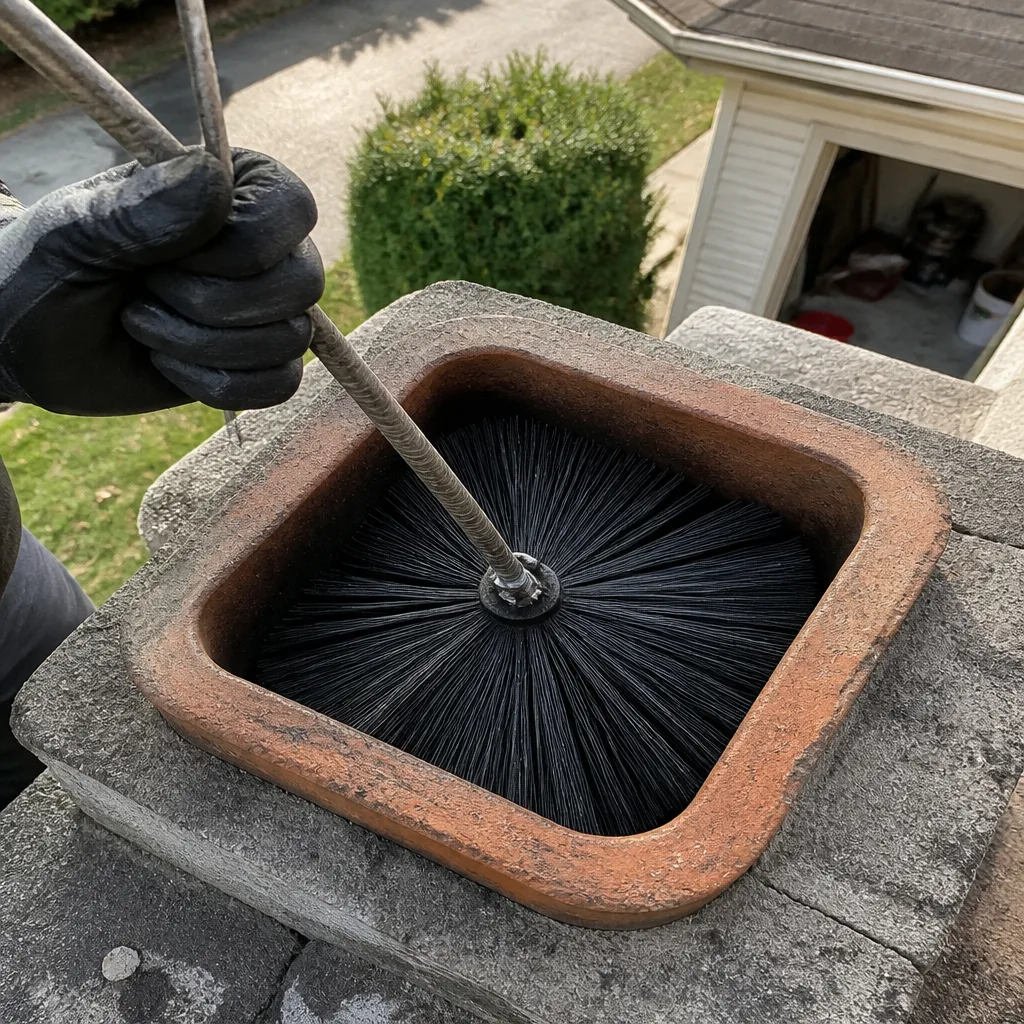
This transition is where liability shifts, and most homeowners don’t realize it’s happening. Here’s how it unfolds in our experience across Crystal Lake:
- Scheduled scope: Homeowner books a chimney cleaning and sweep, expecting routine maintenance. Price is agreed in writing under Haven Standard Clause 1.
- Camera deployment: NFPA 211 Level 2 inspection is performed as standard practice - Clause 4 of the Haven Standard requires it. The flue interior, smoke chamber, and accessible portions of the firebox are documented with photo and video.
- Condition discovery: Technician identifies cracked terra cotta, missing mortar joints, Class III glazed creosote requiring chemical treatment, or clearance violations between masonry and framing.
- Disclosure obligation: Illinois does not license chimney sweeps at the state level, but NFPA 211 and professional ethics require disclosure of hazardous conditions. We provide a written report with photo evidence, noting any code violations observed.
- Regulatory pathway: If the condition requires repair that falls under permit requirements, we explain this in the written scope. The homeowner chooses whether to proceed; we do not perform unpermitted work.
The critical point: the sweep’s disclosure obligation is separate from permit enforcement. A homeowner can decline repair, but the documented finding exists. If a later fire, insurance claim, or property sale reveals the same condition, the prior report establishes when knowledge existed.
We’ve seen this timeline compress dramatically. A Crystal Lake homeowner in the Coventry area had a cleaning in October 2022, declined liner replacement based on our report, and listed the home in March 2023. The buyer’s inspector found the same cracked liner. The sale proceeded only after emergency permit application, rush liner installation, and a $340 re-inspection fee - all during escrow, with the seller paying premium pricing for expedited work.
The Haven Standard’s written price practice prevents a different problem: contractors who discover damage during cleaning and quote repair verbally, without clear separation of maintenance from regulated work. We’ve reviewed competitor estimates where cleaning and liner replacement were bundled as a single line item, with no permit mentioned. That’s a red flag. Permits are public record; their absence is discoverable.
What ‘Grandfathered’ Means and When It Evaporates
“Grandfathered” is the most misunderstood term in residential chimney work. Homeowners believe it means “exempt from modern codes forever.” It does not. It means the installation complied with codes in force at the time of construction, and was not required to be upgraded when codes changed.
In Crystal Lake and McHenry County, grandfathered status evaporates in specific circumstances:
- Property sale or transfer: NFPA 211 Section 14.2 requires Level 2 inspection. Many insurers and lenders now require compliance with current codes as a condition of coverage or financing, regardless of grandfathered status. We’ve performed pre-sale inspections in Lakewood and Four Colonies where unlined chimneys built in the 1960s were grandfathered until the listing agreement was signed.
- Renovation triggering percentage thresholds: Illinois amendments to the IRC require full compliance for chimneys when the building alteration exceeds 50% of assessed value in a 12-month period, or when the work area includes the chimney structure. A kitchen remodel that opens to the fireplace wall can trigger this.
- Insurance claim after fire or water damage: Insurers routinely require code-compliant rebuild for any covered loss, denying grandfathered status. We’ve processed Free Second Opinions on competitor estimates where the insurer specified stainless steel liner replacement in a home that previously had unlined masonry.
- Change of fuel type or appliance: Converting from wood to gas, or installing a new EPA-certified wood stove with different venting requirements, voids grandfathered status for the chimney serving that appliance.
- Structural failure requiring rebuild: If a chimney partially collapses from freeze-thaw damage or vehicle impact, the rebuild must comply with current codes. The grandfathered element no longer exists.
Crystal Lake’s older housing stock, particularly in the downtown historic district and near Woods Creek, includes many unlined or parged-only chimneys from the 1940s-1960s. These are functionally grandfathered until one of the above events occurs. Our recommendation in these cases is documented condition assessment, not premature upgrade. If the flue is sound for the current appliance and no triggering event is anticipated, we say so plainly. If sale is contemplated within 3-5 years, we note that permit-ready repair may be advantageous before the rush of escrow timing.
The 365-Day Done Right Promise applies to work we perform, but it cannot retroactively cover unpermitted work done by others. We’ve had homeowners ask us to “take over” a competitor’s unpermitted liner installation for warranty purposes. We cannot. The work must be permitted and inspected to be warrantable under our standard.
How to Verify Past Permits and What to Do When Records Are Missing
Permit records are public documents, but they’re not always easy to retrieve. Here’s the process for Crystal Lake and McHenry County properties:
- Identify the correct jurisdiction: Crystal Lake city limits have their own building department. Unincorporated McHenry County addresses fall to county permitting. Properties in village enclaves like Prairie Grove or Bull Valley may have village-level review. Check your property tax bill for the exact municipality.
- Request records in writing: Crystal Lake Building Department accepts permit history requests by email or in-person visit. Provide the property address and approximate date of work. There is typically no fee for basic permit history; copies of plans may carry a per-page charge.
- Review what you receive: A proper permit record includes the application, approved plans, inspection sign-offs (rough and final), and certificate of completion or occupancy. Liner work should show mechanical permit with liner specification matching what is installed.
- Cross-reference to contractor documentation: Compare permit details to your invoice or warranty. Liner diameter, material specification, and appliance connection should match. We’ve found discrepancies where a permit called for 6″ stainless steel and 5″ aluminum was installed - a code violation even if the permit exists.
When records don’t exist:
This is more common than homeowners expect. Permits before 1990 may be on microfilm or lost in municipal transitions. Work performed by prior owners may never have been permitted. In these cases:
- Do not assume the work is code-compliant. Absence of permit does not prove grandfathered status; it proves only that no permit was filed.
- Request a current Level 2 inspection with photo documentation. This establishes present condition independent of installation history. Our Clause 4 archive practice means you’ll have dated evidence.
- Consider permit application for existing work. Some jurisdictions allow “after-the-fact” permitting with inspection. Crystal Lake permits this in limited circumstances; fees are higher and the work must be exposed for inspection. We’ve coordinated these applications for homeowners preparing to sell.
- Disclose in real estate transactions. Illinois residential disclosure forms ask about permits for structural and mechanical work. A known unpermitted liner installation, if not disclosed, can become fraud liability. Documented inspection reports help establish good-faith disclosure.
We’ve sourced materials from Famco and Copperfield for retroactive compliance jobs where the original liner specification was unknown. These suppliers maintain historical product listings that help match replacement components to code requirements.
Permit Costs and Inspection Fees in the Crystal Lake Market
Permit costs are not uniform across McHenry County. Here’s what we’ve observed in our work since 2009:
| Permit Type | Crystal Lake Fee Range | McHenry County (Unincorporated) | Typical Inspection Timeline |
|---|---|---|---|
| Mechanical - Liner Installation | $85-$140 | $75-$125 | 1-3 business days after request |
| Building - Crown Replacement | $110-$180 | $95-$160 | 2-4 business days |
| Building - Partial Rebuild Above Roof | $180-$320 | $160-$280 | 3-5 business days; may require multiple inspections |
| Mechanical - Factory-Built Chimney Modification | $85-$140 | $75-$125 | 1-3 business days |
| Plumbing + Mechanical - Gas Conversion | $170-$280 (combined) | $150-$250 | 2-5 business days; gas pressure test required |
| Re-inspection Fee (failed initial) | $65-$95 | $55-$85 | Reschedule after correction |
These fees are separate from contractor charges for permit application services. Some contractors include permit handling in their price; others itemize it. Under Haven Standard Clause 1, we specify permit costs separately in our written scope when we handle application, or note “permit by owner” if the homeowner prefers direct filing.
Timeline matters in Crystal Lake’s burning season, roughly October through March. Building departments experience volume surges in September as homeowners prepare for winter. Permit application in August, when our schedule also has more flexibility, avoids both department backlog and contractor premium pricing for rush work.
We’ve also observed that some municipalities waive permit fees for certain energy-efficiency upgrades. Crystal Lake has not adopted such waivers for chimney work specifically, but McHenry County’s broader energy programs occasionally include fireplace insert incentives that affect overall project cost. We note these when current programs exist, but do not promise availability.
Common Mistakes to Avoid
- Assuming cleaning includes code compliance verification. A sweep removes creosote. Code compliance requires separate inspection scope and documentation. Ask explicitly whether your appointment includes NFPA 211 Level 2 camera inspection with written report.
- Accepting verbal-only repair quotes after cleaning. Without written scope and price, you cannot verify whether permits were included or whether the work performed matches what was proposed. Haven Standard Clause 1 exists because we’ve seen too many homeowners pay for “liner replacement” with no specification of what was installed.
- Believing prior owner disclosures about permits. “We had it done professionally” does not mean permitted. Verify independently before purchase, especially in Crystal Lake’s 1970s-1980s subdivisions where unpermitted additions and modifications are common.
- Waiting until listing to discover compliance issues. Pre-sale inspections in competitive markets like Crystal Lake’s Four Colonies or Lakewood often occur with 10-day inspection contingencies. That’s insufficient time for permitted repair. Inspect 6-12 months before anticipated sale.
- Hiring based on lowest cleaning price without verifying inspection capability. A $99 sweep special without camera inspection may miss the cracked liner that becomes your liability. The cost difference between proper inspection and blind cleaning is typically $100-$200; the cost of undiscovered damage is often $2,000-$5,000 in emergency repair.
- Failing to request lien waiver and permit closure documentation. In Illinois, contractors can file mechanics liens for unpaid work, and open permits can cloud title. Obtain final inspection sign-off and lien waiver before final payment.
- Ignoring local amendments for climate-specific conditions. Crystal Lake’s freeze-thaw cycles and occasional high-wind events affect liner selection and crown design. A specification adequate in southern Illinois may fail here within seasons.
When to Call a Professional
Call a qualified chimney professional when you’re buying a home with an unknown chimney history, when your current sweep reports conditions requiring repair, when you’re converting fuel types or appliances, or when you’re preparing to sell and need documentation of compliance. Explore more guides & resources on chimney care and home protection. In Crystal Lake’s climate, we also recommend professional assessment after any seismic event, major windstorm, or if you notice new cracking in exterior masonry, white efflorescence staining, or draft performance changes.
Chimney repair in Crystal Lake requires understanding of both the technical work and its regulatory framework. Emberly Chimney Cleaners Crystal Lake offers free estimates in Crystal Lake - call (815) 923-3185. Every estimate includes written scope, written price, and explicit note of permit requirements before any work begins.
Frequently Asked Questions
No. Routine chimney cleaning and sweeping are maintenance activities that do not require permits in any Illinois municipality, including Crystal Lake and McHenry County. Permits become required when repair or modification is performed, such as liner replacement, crown reconstruction, or structural rebuilds. Call (815) 923-3185 for a free estimate if your cleaning reveals conditions requiring repair - we’ll specify permit needs in writing.
Professional chimney sweeping in the Crystal Lake market typically ranges from $180 to $320 for a standard fireplace flue, depending on accessibility, creosote accumulation level, and whether NFPA 211 Level 2 camera inspection with photo documentation is included. Emberly Chimney Cleaners Crystal Lake includes Level 2 inspection as standard under Haven Standard Clause 4, not as an add-on. Call (815) 923-3185 for exact pricing for your system.
Skipped maintenance allows creosote accumulation that increases chimney fire risk, and defers discovery of liner degradation, crown damage, or clearance violations that worsen with freeze-thaw cycling. In Crystal Lake’s climate, we’ve seen unaddressed crown cracks lead to complete liner failure within two winters. Insurance may deny claims for fire damage if maintenance records show negligence. The documented photo record from regular inspection protects both safety and coverage.
You need a new liner when the existing one is damaged, improperly sized for the appliance, or not listed for the fuel type being burned - not because of age alone. We evaluate terra cotta liners for vertical cracking, spalling, mortar joint failure, and creosote penetration. Stainless steel liners from DuraFlex or Olympia Chimney are specified only when the existing liner fails documented criteria. Nothing is recommended without camera evidence you can review yourself. Call (815) 923-3185 for a free second opinion on any competitor’s liner recommendation.
NFPA 211 recommends annual inspection for all chimneys, and cleaning when inspection reveals significant creosote accumulation. In Crystal Lake, where many homeowners burn seasoned hardwood in EPA-certified inserts, cleaning intervals of 1-2 years are common. Homes with older fireplaces, frequent use, or softwood burning may need annual or more frequent cleaning. The specific interval depends on what the camera shows, not a calendar.
You should receive: a written scope of work performed, a written final price matching the pre-work quote, photo or video documentation of condition before and after, manufacturer specifications for any installed components (liner, cap, damper), permit application copies and inspection sign-offs for regulated work, and a written warranty. Under Haven Standard Clause 4, Emberly Chimney Cleaners Crystal Lake provides dated photo records on every visit, archived and available on request. If your current provider delivers less, you’re not getting the documentation that protects your property value.
Homeowners can pull permits in Crystal Lake and McHenry County for work on their own residence. Many contractors include permit handling in their service; some require owner-permit. The critical factor is that the permit holder is responsible for scheduling inspections and ensuring final sign-off. If a contractor pulls the permit, verify they are licensed in that jurisdiction and that the permit lists them as responsible party. Unlicensed contractors cannot pull permits in most Illinois municipalities, which is a red flag requiring investigation.
The Bottom Line
Chimney cleaning itself lives in the unregulated world of home maintenance. The repairs it reveals do not. In Crystal Lake and across Illinois, the homeowner carries liability for unpermitted work that surfaces at sale, after fire, or in insurance disputes. The boundary between cleaning and regulated repair is precise: liner work, crown rebuilds, structural modifications, and fuel conversions require permits under locally adopted codes referencing NFPA 211 and the IRC. Grandfathered status protects older installations only until sale, renovation, or appliance change triggers current-code requirements. Documentation - permits, inspection sign-offs, and the dated photo record that Haven Standard Clause 4 requires - is what separates protected property value from escrow surprise. Get the inspection, get the written scope, get the permit, and keep the records.
Written by Corrine Halstead, Owner at Emberly Chimney Cleaners Crystal Lake, serving Crystal Lake since 2009.