
Level 1 sweep and inspection to the NFPA 211 annual standard - flue, crown, cap, and flashing checked and photographed
Chimney sweep logs do not sweep chimneys. They loosen some creosote - which then falls where a brush and vacuum still have to collect it.
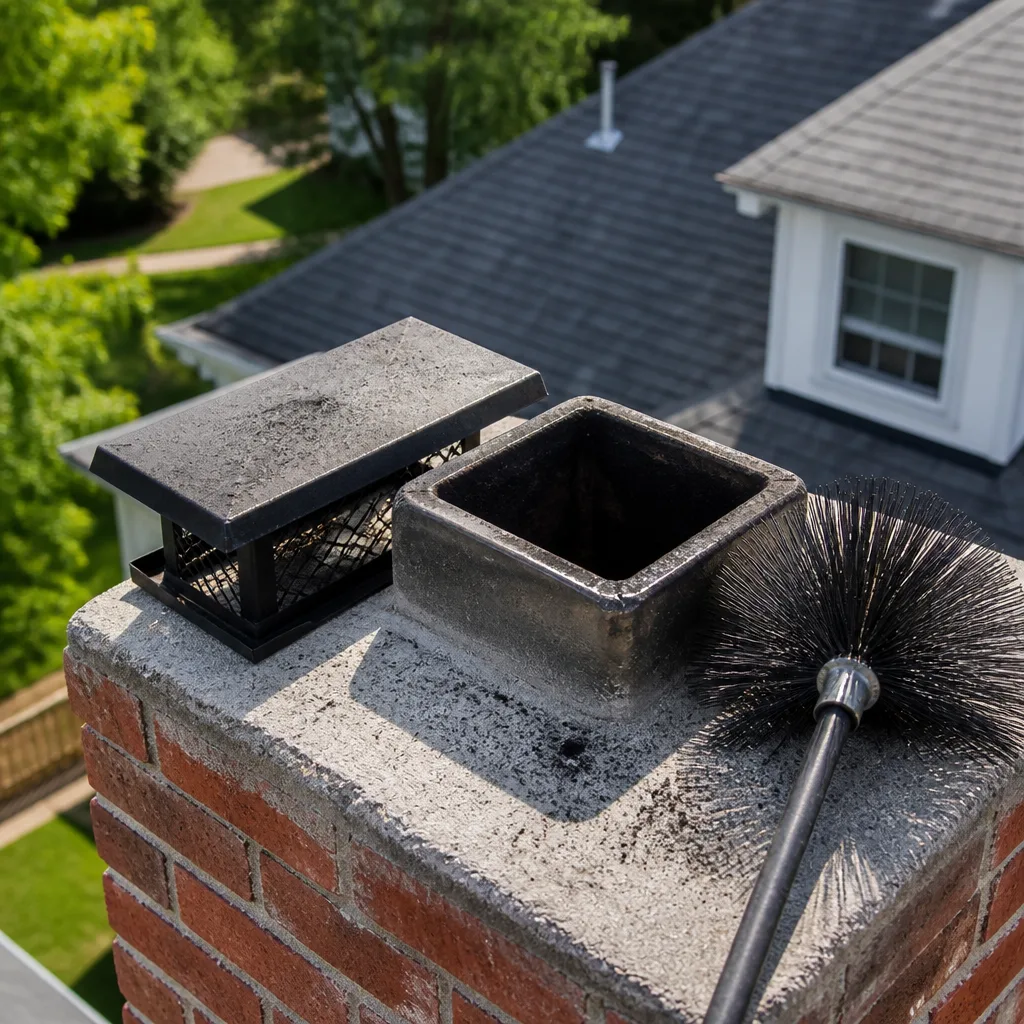
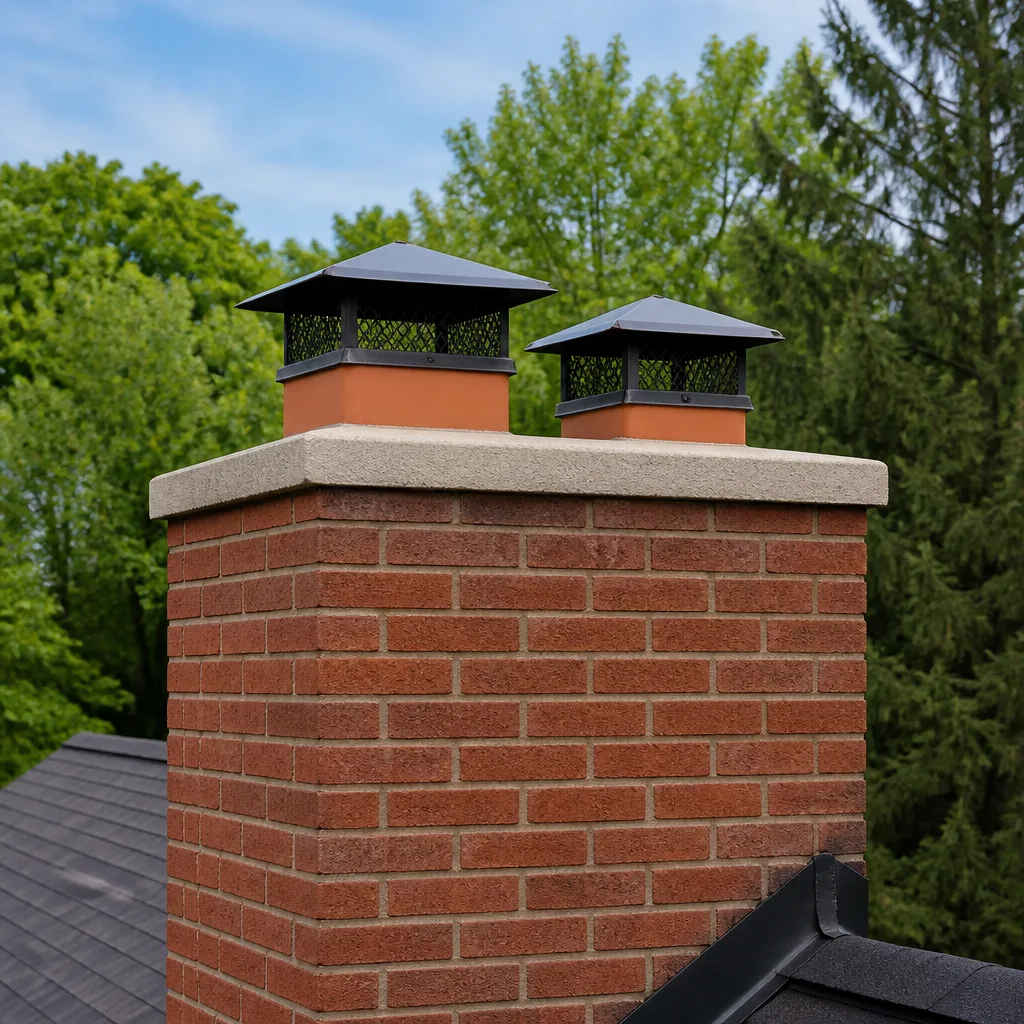
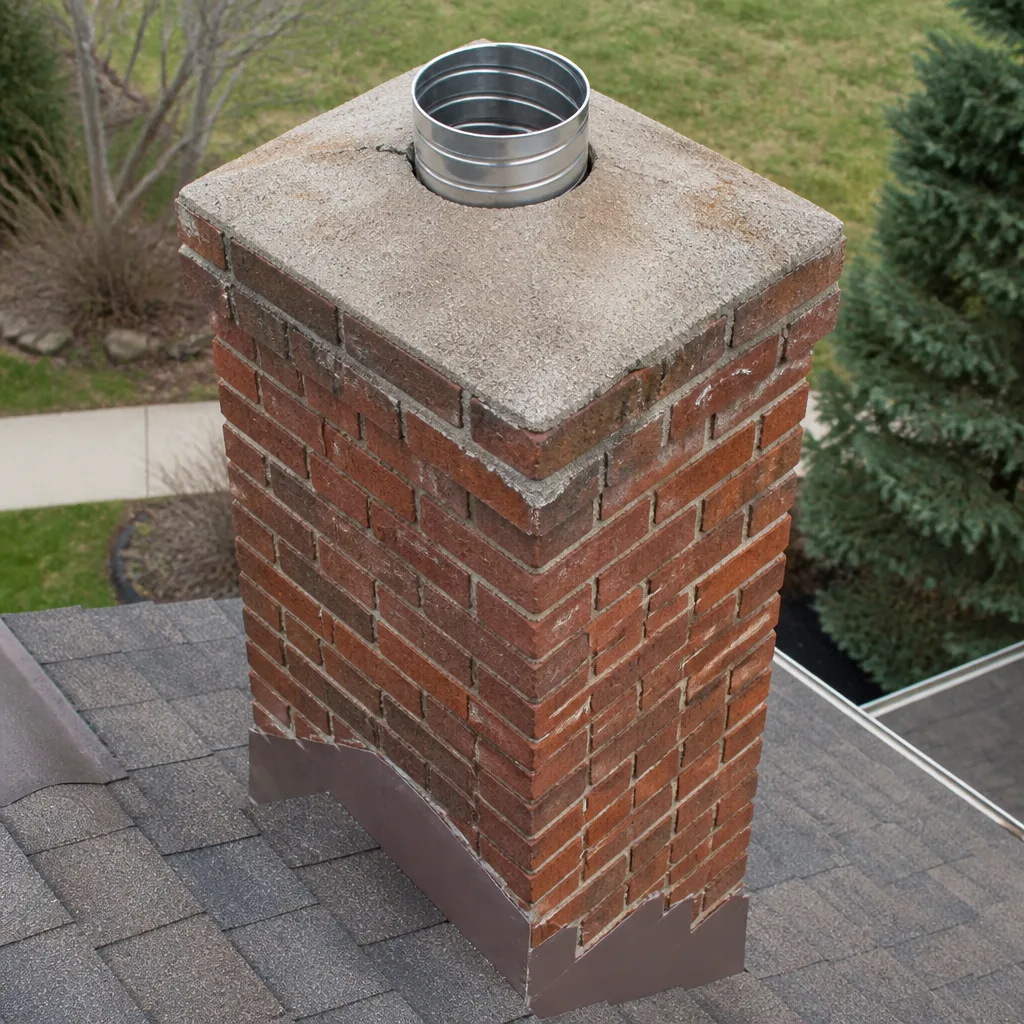
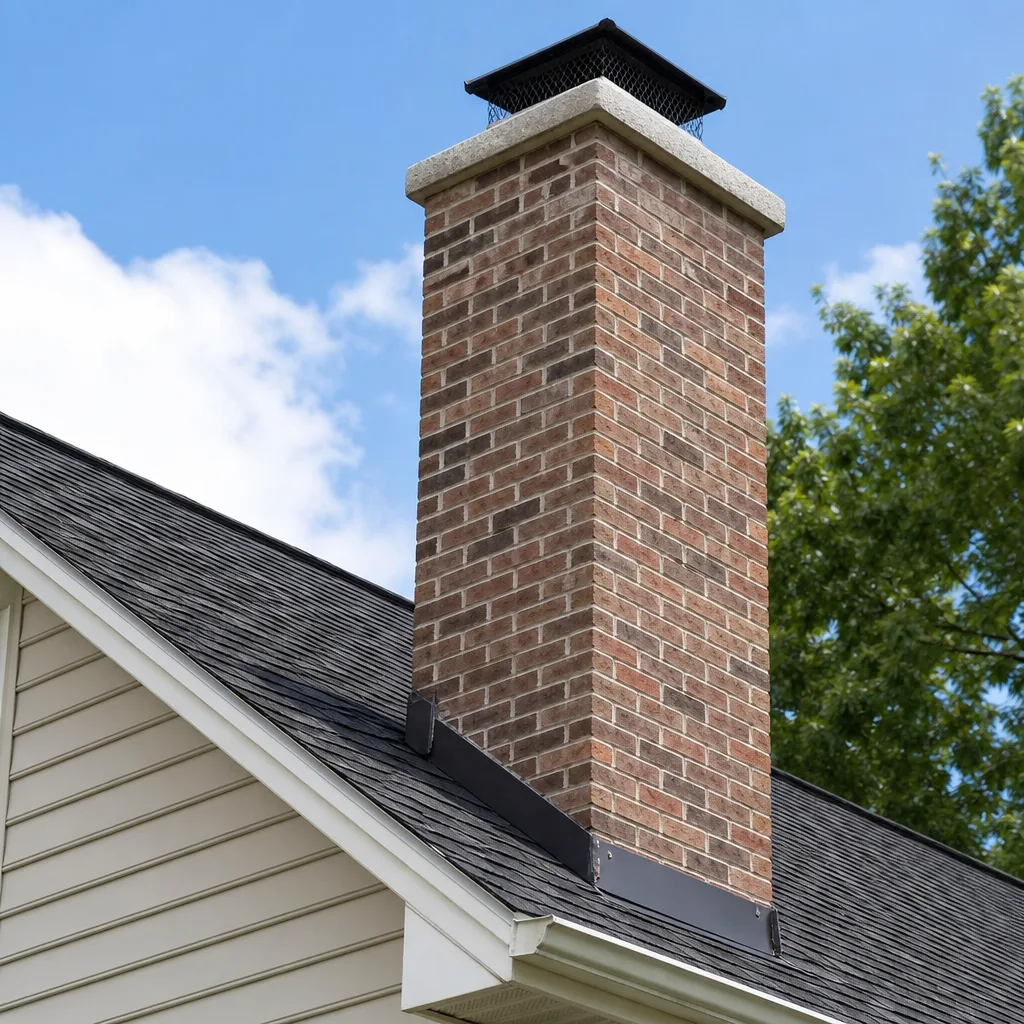
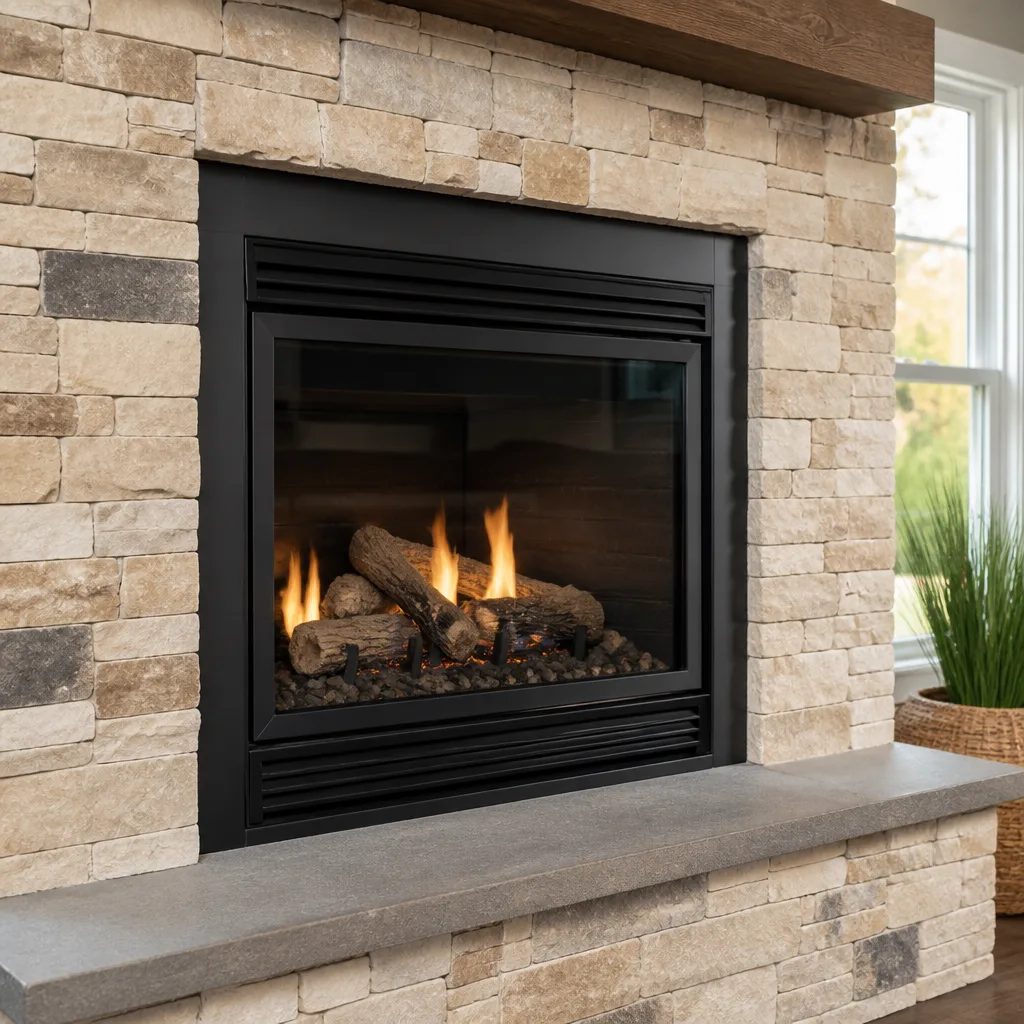
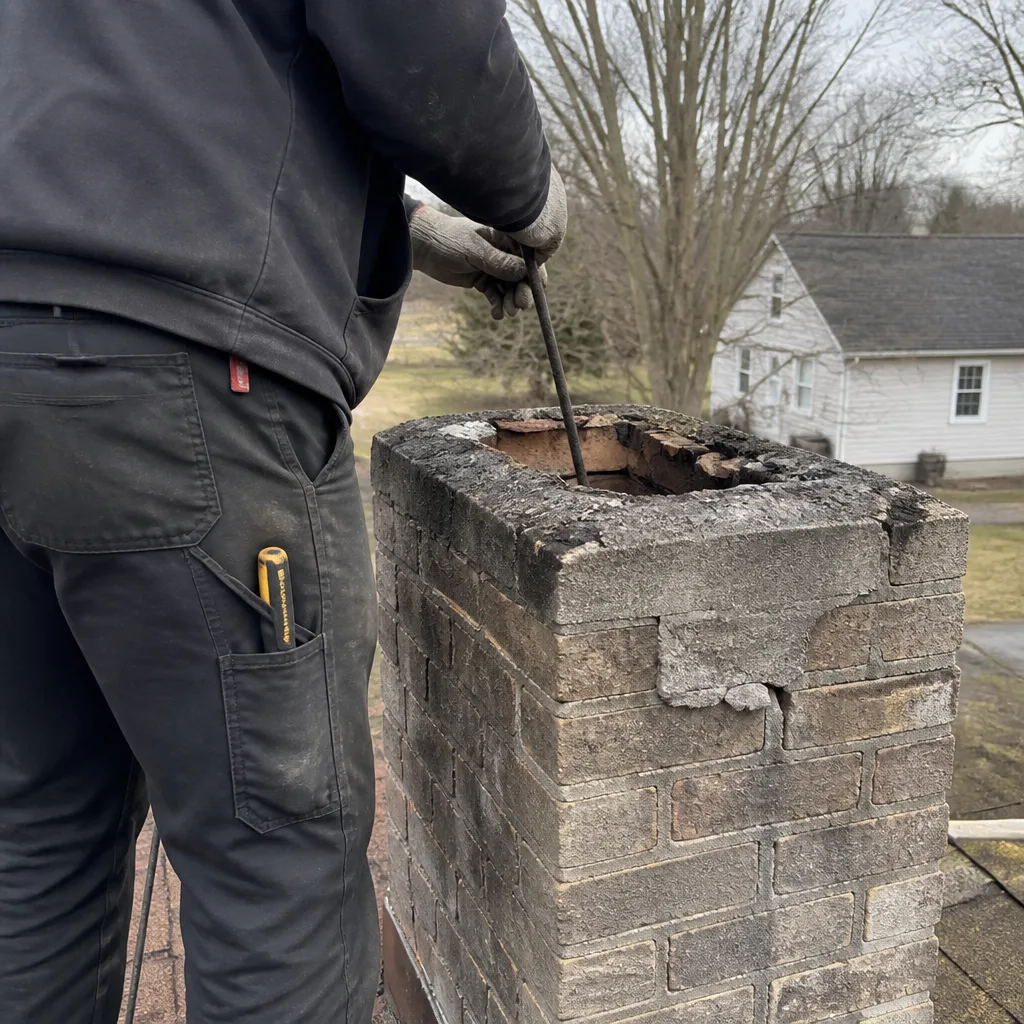 Before
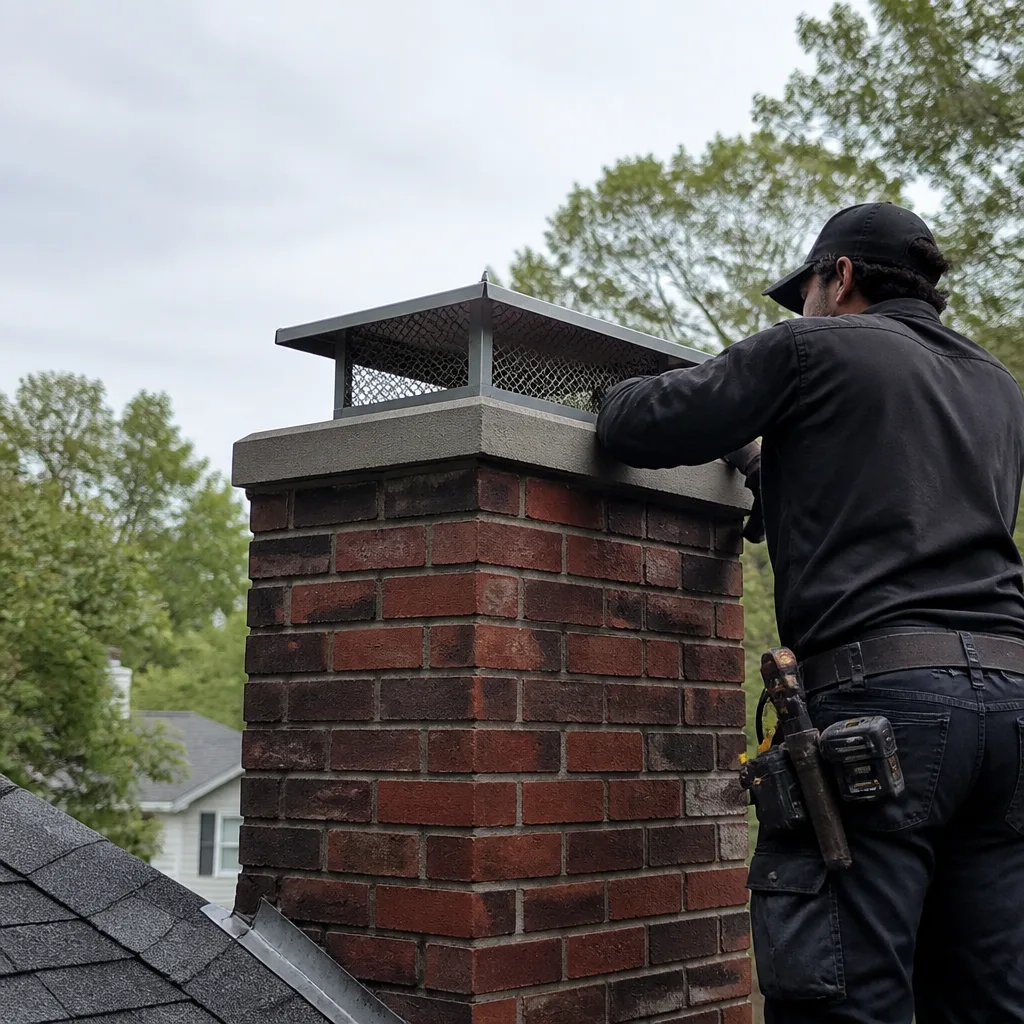 After
After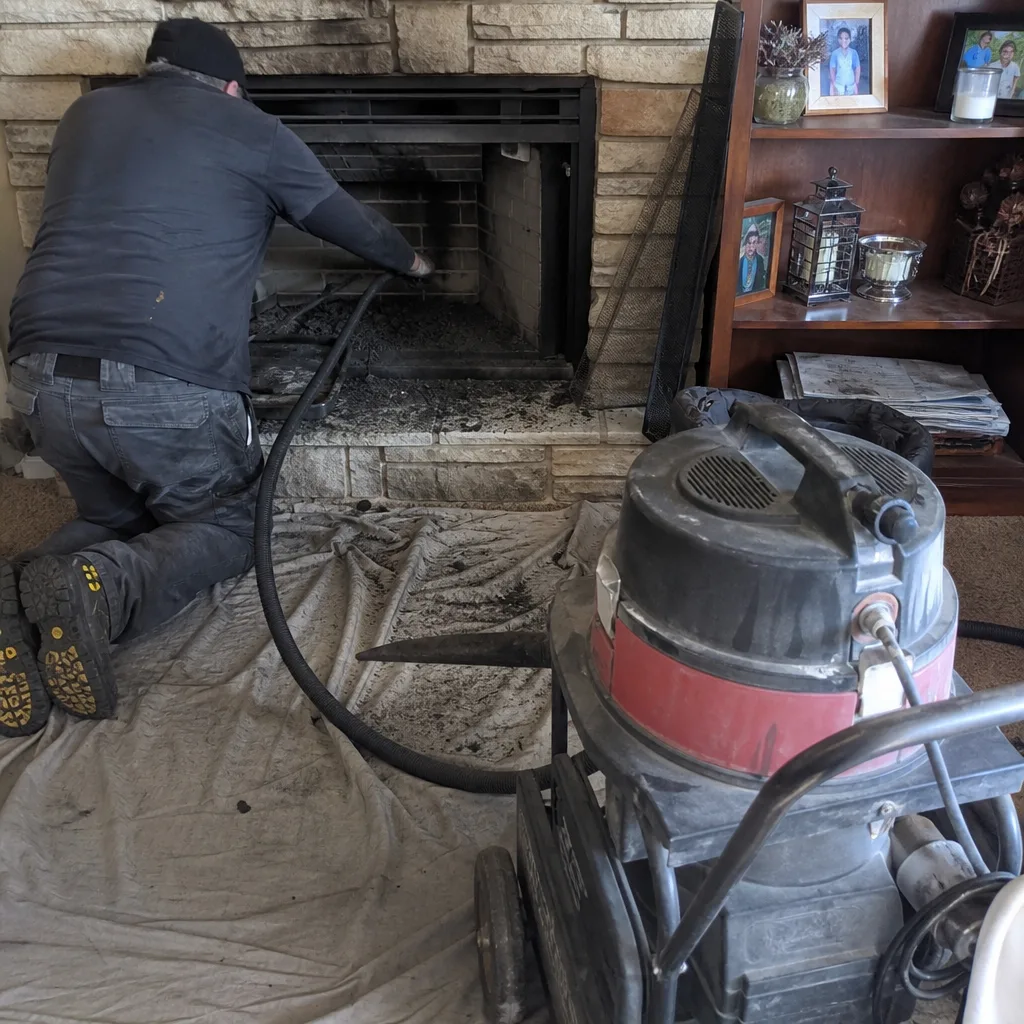 Before
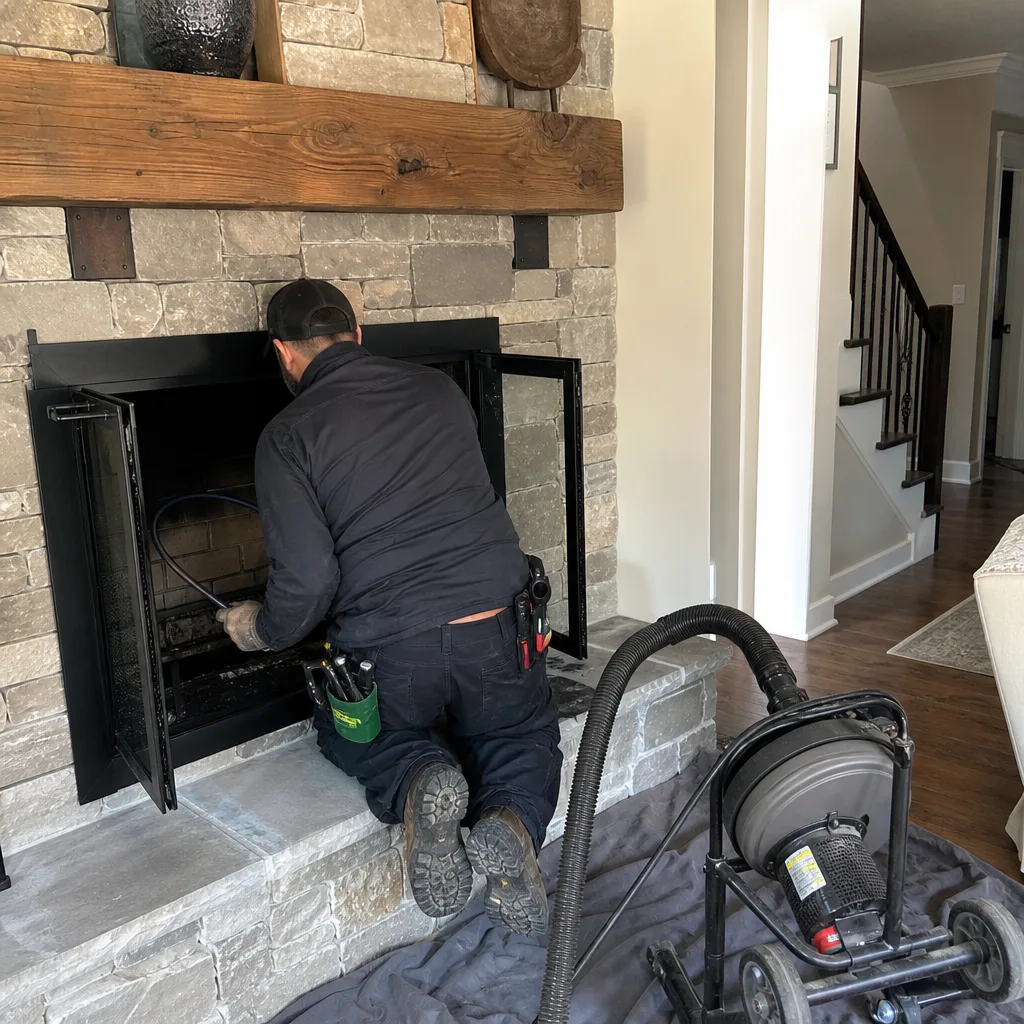 After
After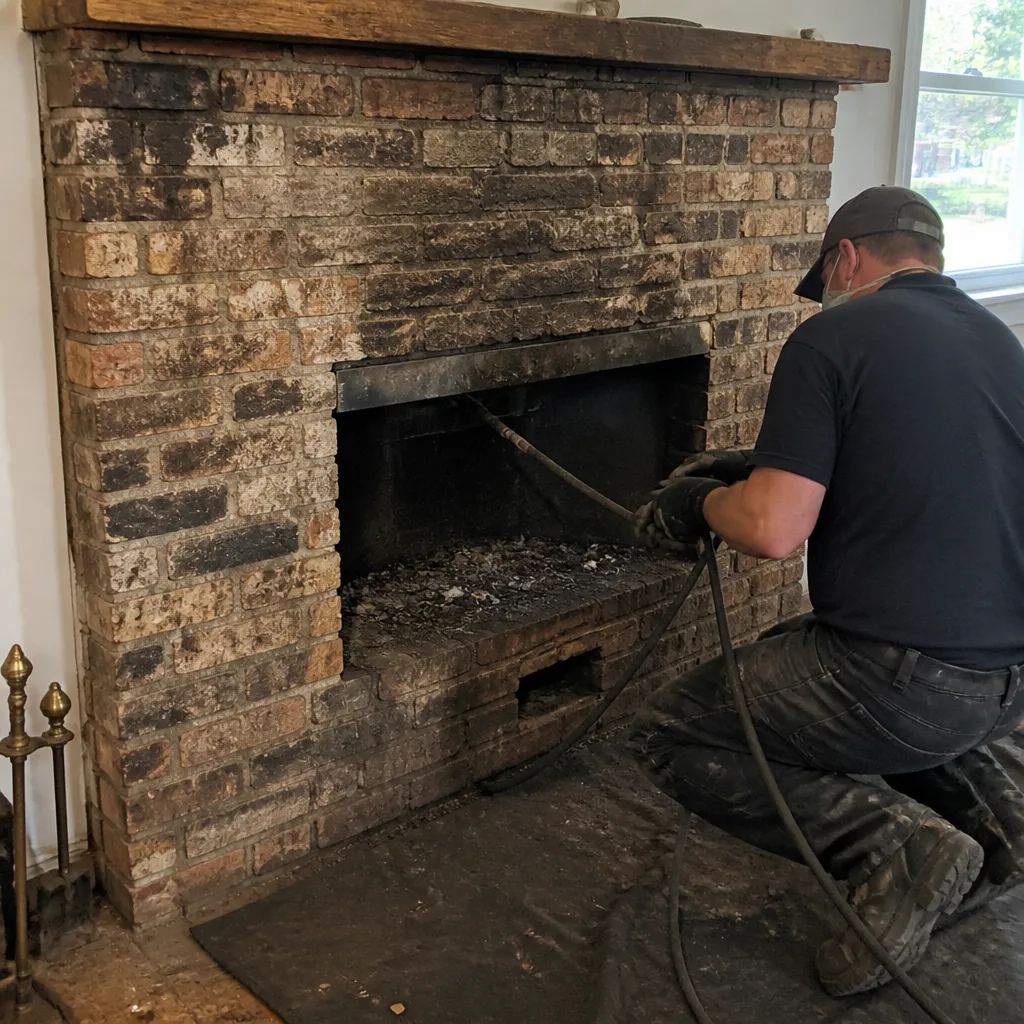 Before
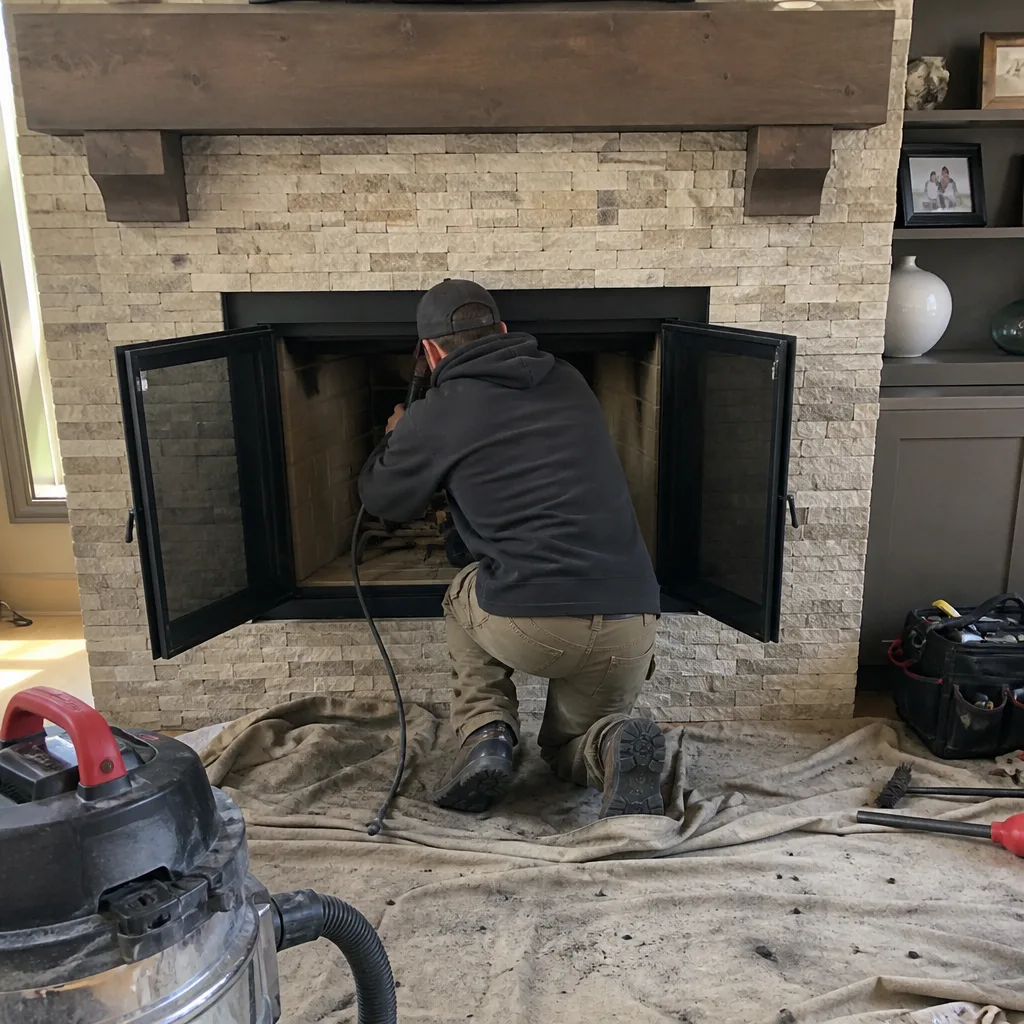 After
AfterCreosote Removal in Crystal Lake, IL
Creosote removal in Crystal Lake typically costs between $150 and $600 depending on the class of buildup and flue length, and most jobs are completed in a single visit. If you’re burning wood in McHenry County’s winters and haven’t had a camera inspection in the last 12 months, there’s a fair chance creosote is already staging inside your flue. Emberly Chimney Cleaners Crystal Lake has been documenting and removing it since 2009 – every job comes with a written price before anyone touches your chimney, a photo record when it’s done, and the 365-Day Done Right Promise behind the work.
Creosote is the combustion byproduct that condenses on flue walls when smoke cools faster than it clears. Crystal Lake’s climate makes this happen more than homeowners expect. Cold starts on sub-zero January mornings, short fires that never fully heat the flue, and the mix of hardwood and softwood that’s common in Algonquin Road-area neighborhoods all accelerate creosote buildup and increase the need for Fireplace Cleaning. Left alone, it progresses through three classes – from dusty soot to a tar-like glaze to a hard, porous crust that burns at temperatures above 2,000 degrees Fahrenheit. That third class is where chimney fires happen.
Our Chimney Cleaning & Sweep in Crystal Lake service is the parent of this page, and creosote removal is the part of that work that demands the most attention and the most accurate diagnosis. A flashlight look from the firebox doesn’t tell you what’s 15 feet up the flue. A camera does. We run one on every visit – that’s not an upgrade, it’s standard under Clause 4 of the Haven Standard.
To schedule a written-price appointment or ask a question to a live person, call us at (815) 923-3185.
When You Need Creosote Removal
- You smell something sharp or acrid when the fireplace isn’t running. A tar-like or smoky odor coming from a cold firebox is a reliable indicator that Class II or Class III creosote has accumulated in the smoke chamber or flue liner – especially common in Crystal Lake homes that burned green or mixed wood through the winter season.
- You see a dark, shiny, or flaky residue inside the firebox opening. Light gray or black dust is Class I creosote and clears with routine cleaning. A glossy black coating or hard, blistered crust that doesn’t brush off easily signals a higher class requiring chemical treatment or mechanical removal tools before your next fire.
- Your last documented cleaning was more than 12 months ago. NFPA 211 recommends annual inspection and cleaning for any wood-burning system. If the record isn’t written and photographed, “I think we had it cleaned” doesn’t count for insurance purposes – and after a winter of regular fires in Crystal Lake, a year goes fast.
- You notice reduced draft or smoke backing into the room. Partial blockages from heavy creosote deposits restrict the flue opening and disturb the pressure differential that keeps smoke moving up and out. Crystal Lake homes with older clay tile liner sections are particularly susceptible because rough tile surfaces give creosote more texture to grip.
- You’ve had any chimney fire, even a small one. A “chimney fire” doesn’t always mean visible flames outside the cap. A low-rumble, intense heat event inside the flue – even briefly – can harden remaining creosote, crack clay tile liners, and leave deposits that require chemical treatment and a full Level 2 camera inspection before the fireplace is safe to use again.
- You’re closing on a home in Crystal Lake or preparing for a home sale. Buyers and their inspectors in McHenry County are requesting chimney inspection documentation more often than they were five years ago. A written, photographed record of creosote condition and removal is exactly what a real estate transaction requires, and it’s what every Emberly inspection produces as standard.
Our Creosote Removal Process
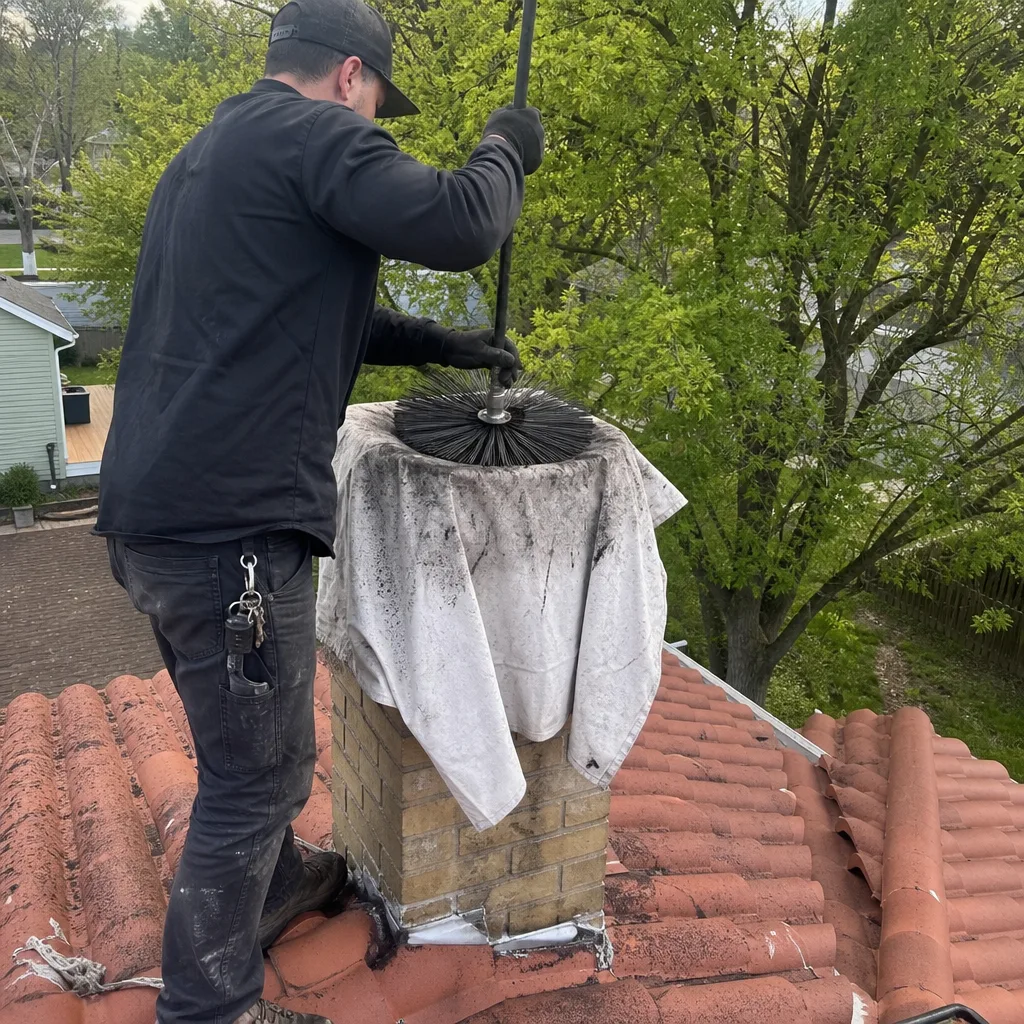
- Camera-scan inspection before anything starts. We run a NFPA 211 Level 2 inspection with a camera down the flue before we quote removal scope or price. We look at the flue liner condition, the smoke chamber, the firebox, the damper, the crown, and the cap. The camera footage is part of the documentation you receive. This is how we classify the creosote accurately – Class I, II, or III – rather than guessing from the firebox opening. A written price is delivered before any work begins. That’s Clause 1 of the Haven Standard: have it in writing.
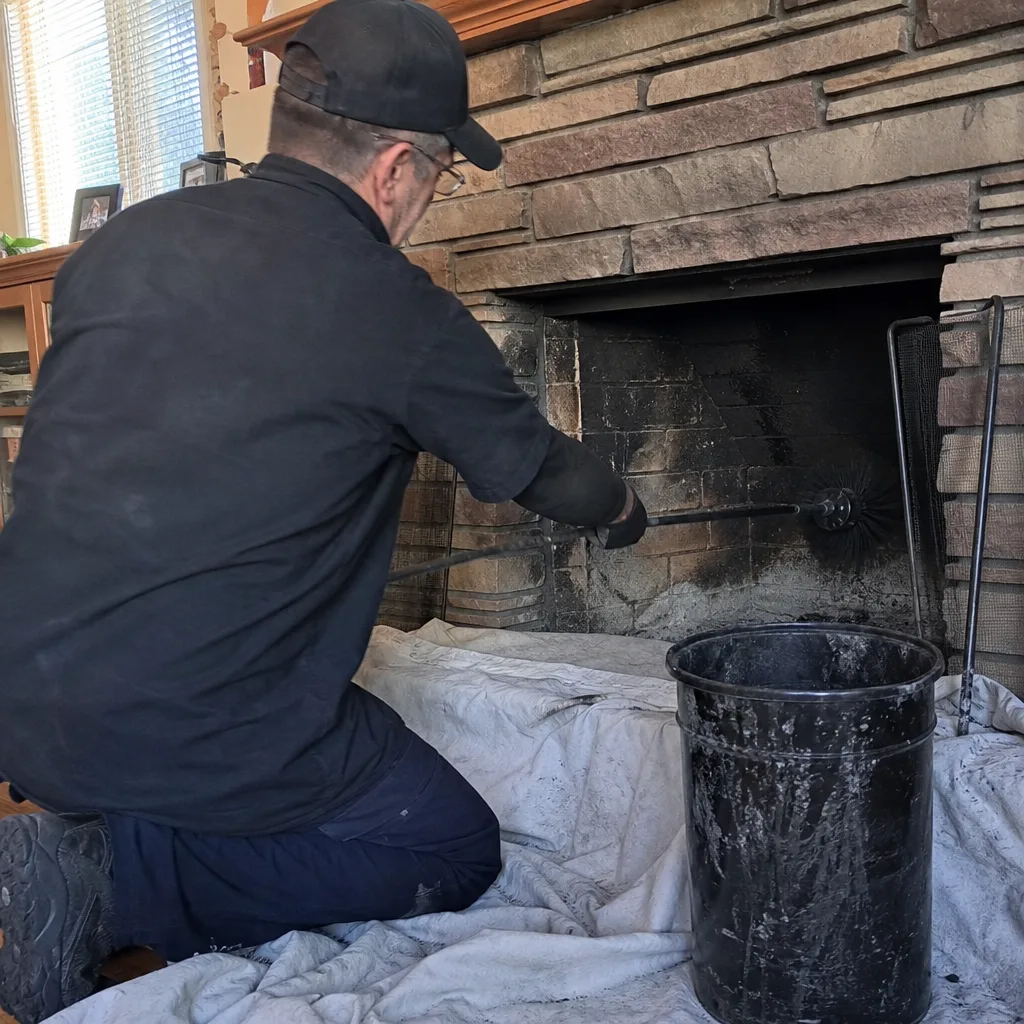
- Worksite preparation and protection. Our technicians set drop cloths from the hearth to the door and seal the firebox opening with a dust barrier before the brushes go up. Crystal Lake homes with finished living spaces adjacent to the fireplace require this step done properly. We don’t treat it as optional. A uniformed, background-checked tech is assigned by name, and you’ll get a text when they’re on their way.
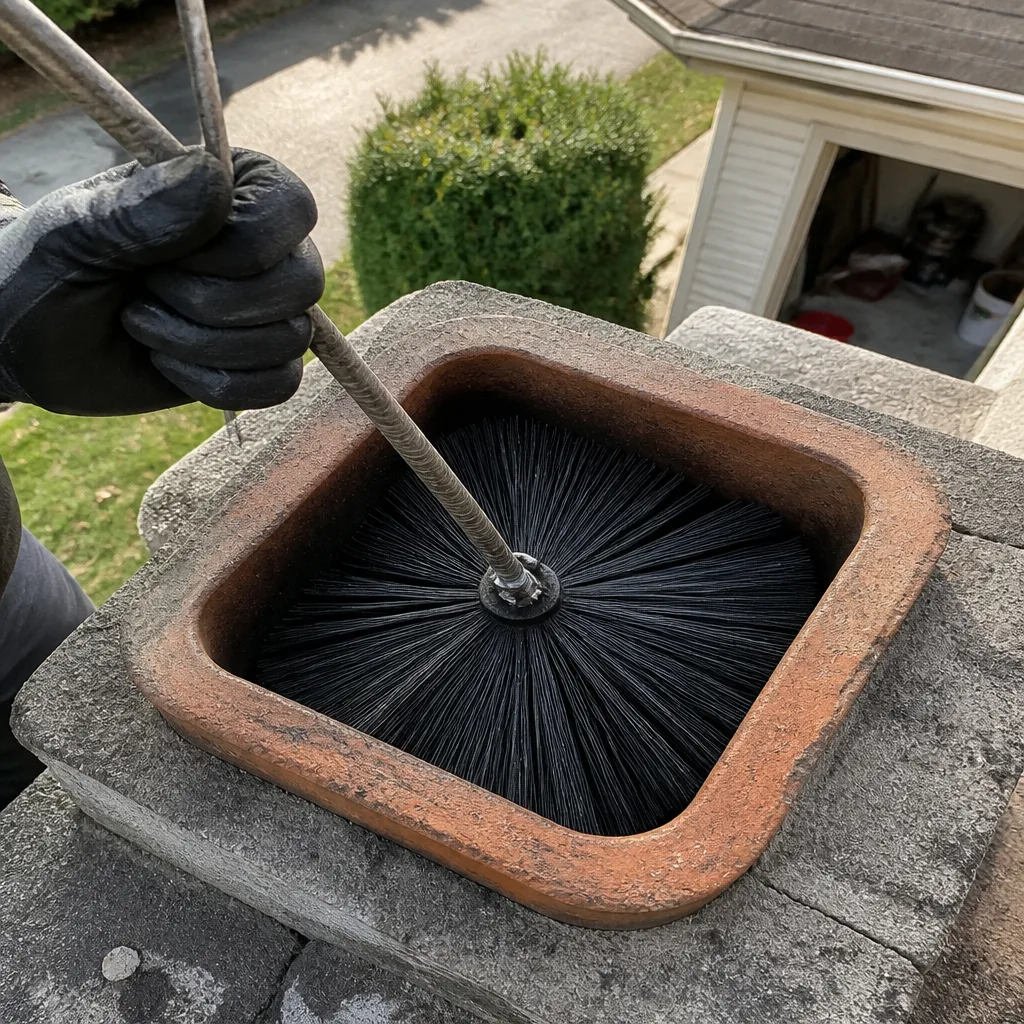
- Class-appropriate removal – rotary tools, chemical treatment, or both. Class I creosote (dry, powdery) clears with standard chimney brushes. Class II (tar-like, sticky deposits) typically requires a rotary cleaning system that cuts and dislodges the buildup from the flue liner walls. Class III (hard, porous, glazed) is the most demanding: it requires an approved chemical treatment – we use products sourced through Haven’s supply network, including options from the Copperfield line – applied to the deposits to change their chemical structure before mechanical removal. If your flue has Class III buildup, we’ll tell you exactly what that means for your liner and what the documented condition looks like before we quote the full scope.
- Full vacuuming and debris removal. After the flue is clear, all dislodged material is vacuumed using HEPA-rated equipment from the smoke chamber, smoke shelf, and firebox. In Crystal Lake’s older neighborhoods – particularly around the Virginia Road and Pingree Road corridors where homes run 40 to 70 years old – smoke shelves accumulate decades of debris behind the damper that a standard sweep misses. We document what we remove.
- Post-removal camera verification and photo record. We run the camera a second time after removal to confirm liner condition, flag any cracking or spalling that the creosote may have been masking, and document the cleared state of the flue. That photo record is yours – stored under Clause 4 of the Haven Standard and available if you ever need it for an insurance claim or home sale. You will not receive a verbal “looks good.” You’ll receive a written scope and documented images.
- Written summary and warranty before we leave. The 365-Day Done Right Promise is stamped on every job. If something isn’t right within a year of our work, we come back and make it right. The written warranty is part of what you receive when the job is complete – not an oral promise at the door.
BeforeAfterCreosote Removal Pricing in Crystal Lake
Creosote removal in Crystal Lake runs between $150 and $600 for most residential jobs. The range is wide because the class of buildup and the method required to clear it are genuinely different jobs – and we won’t quote a flat rate before the camera has run, because doing so would mean quoting blind.
| Creosote Class | Description | Typical Price Range |
|---|---|---|
| Class I | Dry, powdery or flaky – clears with standard brush sweep | $150 – $250 |
| Class II | Tar-like, sticky coating – requires rotary cleaning system | $250 – $425 |
| Class III | Hard, glazed, or porous crust – chemical treatment plus mechanical removal | $400 – $600+ |
What affects the final number:
- Flue length and liner type. A standard single-story Crystal Lake ranch with a 15-foot flue is a shorter job than a two-story colonial near Three Oaks Recreation Area with a 30-foot clay tile system. Longer flues take more time and more chemical product.
- Liner condition discovered during inspection. If the camera reveals cracked clay tiles or gaps in the liner behind the creosote, the documented condition changes the scope. We’ll show you the footage and explain what’s there before adjusting the written price.
- Smoke chamber condition. Crystal Lake homes built before 1990 often have parged smoke chambers that have spalled or developed pinholes. If the smoke chamber needs attention alongside creosote removal, that’s a separate line item – quoted in writing before any work starts, no exceptions.
- Multiple fireplaces or appliances. If you have a wood stove connected to a second flue or a gas fireplace sharing the chimney chase, each appliance flue is quoted separately. We’ve worked in Crystal Lake homes where two or three appliances share one chase – they each get their own camera pass and their own line in the written estimate.
The camera inspection fee is separate from the removal quote and is disclosed upfront. A written price, scope, and warranty are delivered before any removal begins. If you’ve received a written estimate from another company, bring it to us – we offer a free second opinion on any written quote, no obligation required.
FAQs – Creosote Removal
Is creosote removal different from a standard chimney cleaning?
Yes – a standard Chimney Cleaning & Sweep removes loose soot, debris, and light Class I creosote with brushes. Creosote removal specifically addresses Class II and Class III buildup, which require rotary cleaning equipment, chemical treatments, or both. Treating a Class III deposit with standard brushes doesn’t clear it – it redistributes it. The camera inspection is how we determine which category you’re in before we quote the work or pick up a tool.
How much does creosote removal cost in Crystal Lake?
In Crystal Lake, creosote removal typically runs $150 to $250 for Class I, $250 to $425 for Class II, and $400 to $600 or more for Class III deposits. The exact price depends on flue length, liner material, and what the pre-work camera inspection finds. A written price is delivered before any work starts – call (815) 923-3185 to schedule the inspection and get a written quote.
Can I remove creosote myself with a store-bought product?
Consumer creosote remover logs and powder treatments are sold at hardware stores, and they can reduce light Class I buildup modestly. They’re not a substitute for mechanical removal of Class II or Class III deposits, and they won’t show you the condition of your flue liner – which is often where the real risk is hiding. Class III creosote in particular should only be addressed by a trained technician with Level 2 Inspection verification before and after: the deposits are hot-burning, and the work requires specific chemical agents applied in the right sequence. The camera footage is what tells you whether the treatment worked and whether the liner beneath it is still sound.
How often should Crystal Lake homeowners schedule creosote removal?
Annual inspection and cleaning is the NFPA 211 standard for any wood-burning system, and it’s the right baseline for Crystal Lake. That said, if you’re burning more than two cords of wood a season, using a lot of softwood, or running short fires that don’t fully heat the flue – all of which are common in McHenry County winters – creosote can reach Class II within a single season. The camera tells you what’s actually there. A written record means you’re not guessing next fall when the question comes up again.
Key Takeaways
- Creosote removal in Crystal Lake costs $150 to $600 depending on the class of buildup – Class I, II, or III – and flue length.
- A NFPA 211 Level 2 camera inspection runs before every quote, so the written price reflects what’s actually in your flue, not a guess.
- Class III creosote requires chemical treatment and professional mechanical removal – it’s not a DIY job, and standard brush sweeping won’t clear it.
- Every job includes a documented photo record (Haven Standard Clause 4), a written price before work starts (Haven Standard Clause 1), and the 365-Day Done Right Promise.
- Crystal Lake’s climate – cold starts, long winters, and mixed fuel sources – makes annual inspection the responsible default, not an upsell.
- More than 38,000 chimneys inspected and cleaned since 2009, every one with a written price and a documented record.
Schedule Creosote Removal in Crystal Lake
If you’ve noticed a sharp odor from the firebox, visible glazed deposits, or you simply don’t have a written record of your last inspection, the next step is a camera scan and a written price – in that order. Emberly Chimney Cleaners Crystal Lake sends background-checked, uniformed technicians with the equipment to document what’s there and remove it correctly the first time. No verbal estimates, no scope surprises after the work starts.
Visit our home page to learn more about how Emberly Chimney Cleaners Crystal Lake operates, or call (815) 923-3185 to speak with a live person now and get a written estimate scheduled. Free second opinion on any written estimate you’ve already received.
Written by Corrine Halstead, Owner at Emberly Chimney Cleaners Crystal Lake, serving Crystal Lake.